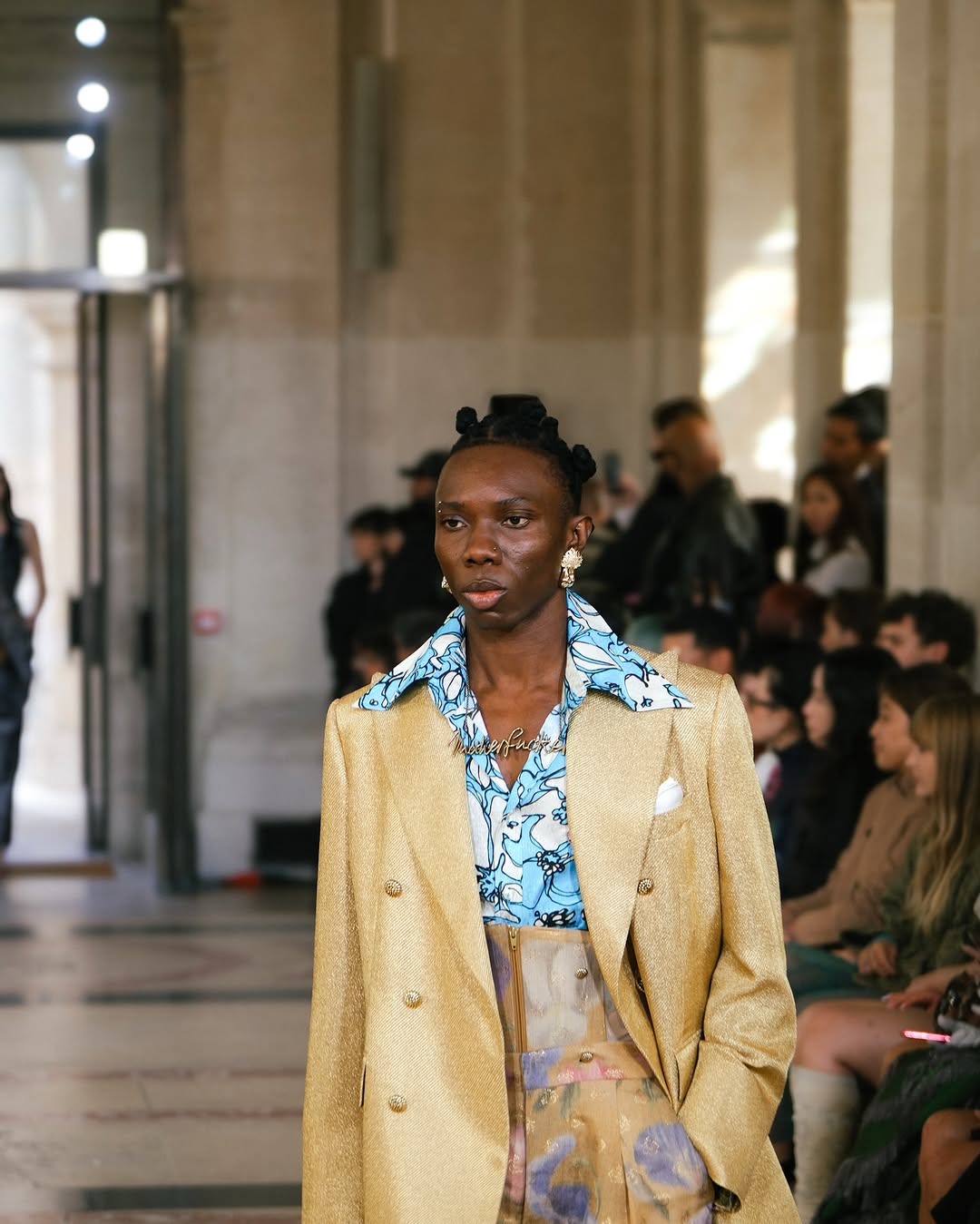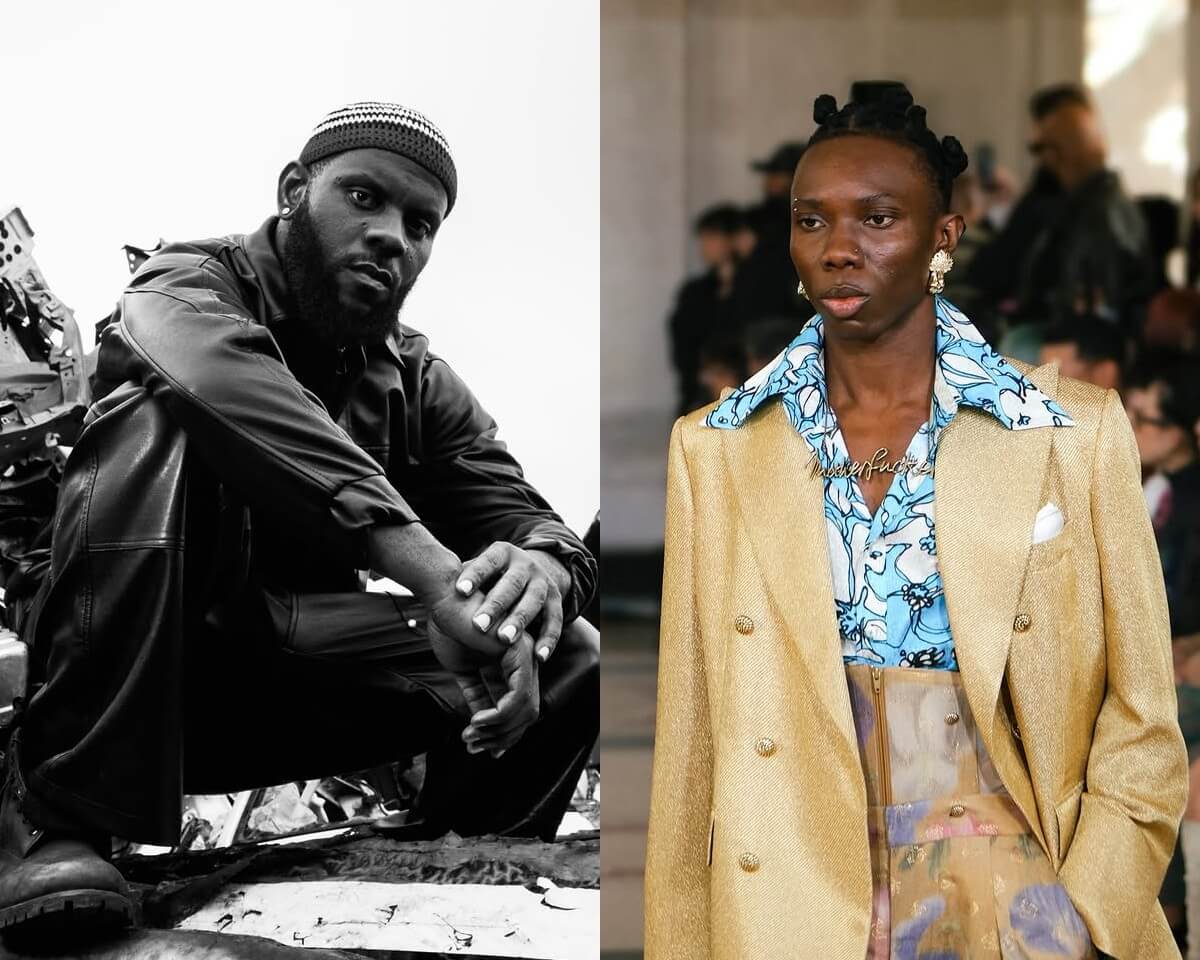


Fola is entering that delicate point in a young star’s career where the conversation changes completely. He is no longer being discussed as one of the promising new names to watch. At this point, he is being sized up like an artist who must prove that his first major breakout was not luck, not timing, and not just the industry catching feelings for a fresh face. It is now about staying power.
That is why his next project has become such a hot topic.
The singer has confirmed that his sophomore album is already complete, but he has not publicly revealed the title or release date yet. What fans know for now is that the rollout has started. In mid-March, reports around his announcement said the album was “100% complete,” and around the same period he also confirmed a new 2026 single. That single, “when the party’s over,” a collaboration with bees & honey, arrived on March 20, 2026, giving listeners an early taste of the phase he appears to be stepping into. 
What makes this moment bigger is the weight of what came before it. Fola’s debut album, Catharsis, did not just perform well; it helped push him from rising talent to real commercial force. Pulse described the album as an emotive body of work built around ambition, love and desire, while also noting how his Yoruba identity and R&B influences have shaped his appeal. By late 2025, he had become the face of Apple Music’s Best of 2025 Afrobeats Hits after landing 11 songs in the platform’s Top 100, and Pulse later listed him as its No. 1 breakout star of 2025, adding that Catharsis had surpassed 100 million Spotify streams. 
That is the real backdrop to the anticipation around the next project. Fans are not waiting for new music from a newcomer trying to be seen. They are waiting for a follow-up from an artist whose first album has already entered the conversation as a defining arrival.
Across Nigeria’s music media, the appetite for what comes next is obvious. Pulse included Fola among the artists with the most anticipated Nigerian projects of 2026, pointing to the wider climate of fans closely reading every teaser and update for clues about new eras and album direction. Another Pulse piece even singled out the idea of a Shoday x Fola joint project as something fans would gladly embrace after both artists shaped social media, radio and charts in 2025. In simple terms, the demand around Fola is no longer niche. It has spread into mainstream fan culture. 
Part of the excitement is down to how people currently see him. Fola has built a public image around melody, vulnerability and street-rooted emotion without sounding soft or disconnected from the commercial realities of Afrobeats. The Guardian described him as one of Nigeria’s most compelling pop-soul talents with a “Fuji-tinged voice,” while Pulse said his music makes him “adored by fans” and increasingly sought after by fellow artists. That mix matters. In today’s market, artists who can sing with feeling and still sit comfortably on chart-friendly records tend to travel far. 
His collaborations have also helped define how he is perceived. Over the last stretch, he has not looked out of place beside more established names. Reports highlighting his rise pointed to songs like “Lost” with Kizz Daniel, “Who Does That” with Bella Shmurda, and “Paparazzi” with Shoday as proof that he can hold his own on records that demand both charisma and replay value. The Guardian noted that “Who Does That” had crossed 15 million Spotify plays by May 2025, while coverage around his 2026 rollout said “Paparazzi” became the first new No. 1 song of the year in Nigeria. These milestones have strengthened the feeling that Fola is now more than a promising vocalist; he is being treated as a dependable hit contributor and, increasingly, a central act in his own right.
There is also the live-performance angle, which is quietly adding more weight to the buildup around the next project. Fola is booked to headline indigo at The O2 in London on April 19, 2026, with The O2 describing the show as a highly anticipated live experience. Listings and social posts also point to a wider UK and Ireland run, plus a Catharsis live stop in Canada later in July 2026. That matters because artists usually do not expand live ambitions like this unless they believe the audience has moved beyond streams into deeper fandom. 
So what exactly are fans expecting from the upcoming project?
First, many are expecting scale. After Catharsis, a basic repeat of the same emotional palette may not be enough. Coverage around the new album announcement already hints at a broader sound, with mentions of Fola refining a blend that pulls from R&B, amapiano and street-pop while keeping his trademark soulful delivery. The expectation now is not just for good songs, but for visible growth. Fans want to hear an artist who has become more comfortable with his voice, more adventurous with production, and more confident in shaping a full album identity. 
Second, fans are expecting stronger storytelling. This is one of the areas where Fola has earned trust. Much of his appeal has come from making emotionally open music that still feels local and familiar. He does not sound like he is borrowing another person’s pain or chasing foreign aesthetics for validation. Reviews and profiles have consistently tied his music to Yoruba tonal inflections, heartfelt writing and a young man’s account of love, hustle and ambition. That is why his audience will likely judge the new project not only by chart numbers, but by how honestly it speaks. 
Third, there is curiosity about whether he will fully cross into the top tier of Nigerian pop. Right now, Fola is seen as one of the leading faces of the new school, but the next project could decide whether he becomes a season-defining act or remains a very successful fast-rising artist. The Nation, in naming him one of the stars to watch in 2026, said he helped inject fresh energy into the industry and place himself on both local and global radar. That is strong praise, but it also frames the challenge ahead: can he turn momentum into authority? 
At the moment, public perception of Fola is mostly positive, and in some corners, almost glowing. He is widely seen as one of the clearest success stories from Nigeria’s recent wave of melodic male acts. He carries the advantage of being emotionally expressive without sounding overly polished, and commercially smart without appearing cynical. There is an authenticity around him that fans seem to value. The industry also appears to trust him; being closely associated with Dangbana Republik and repeatedly appearing in conversations around breakout stars, chart success and anticipated albums has given him credibility that many young acts spend years trying to build. 
Still, this next chapter comes with pressure. That pressure is not necessarily negative; in fact, it is the kind of pressure every serious artist wants. But it is real. Once an artist’s debut succeeds at the level Catharsis did, the next body of work is judged more harshly. Fans start asking tougher questions. Can he stretch his writing without losing the emotional core? Can he keep the melodies fresh? Can he balance intimacy and mainstream appeal? Can he carry a bigger album campaign and still sound like himself?
Those questions are already hanging around this project, and that is one reason anticipation is so intense. The public is not merely waiting for songs. They are waiting for answers.
For talkGlitz.media, the clearest reading of the moment is this: Fola is currently occupying one of the sweetest and most dangerous positions in Nigerian music. Sweet, because the love is strong, the profile is rising, and the numbers are backing the hype. Dangerous, because expectations are now sky-high, and every next move will be measured against the promise he has already shown.
But if the signs from the last year are anything to go by, Fola is not approaching this new era like someone hoping to survive the noise. He looks like an artist preparing to own it.
And that is exactly why the wait for this next project is getting louder.