
In the last decade, Nigerian music has transcended its borders, becoming a central driver of the Africa-to-world sound economy. But with global streaming, stadium tours, and brand partnerships now on the line, who really sits at the top of the “bankability” chart? In 2025, these six names consistently surface: Wizkid, Burna Boy, Davido, Rema, Asake, and Tems. Each brings distinct tools to their earning power — and together, they sketch a portrait of how Afrobeats evolves as a business.
1. Wizkid: The Blueprint of International Currency
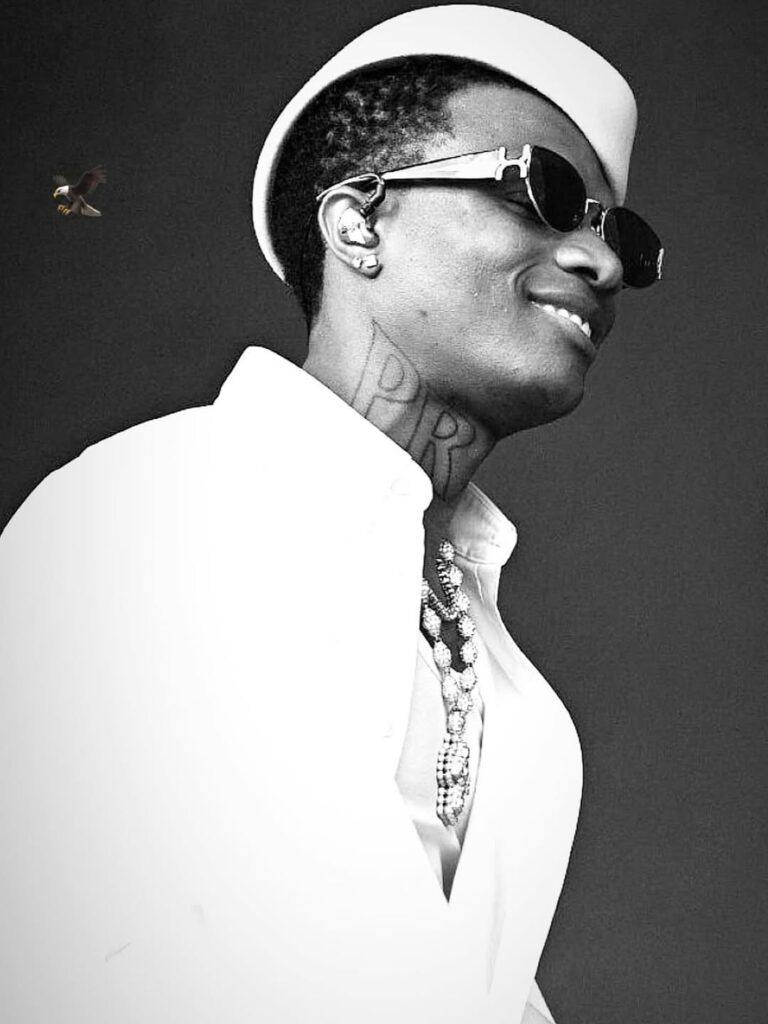
Wizkid’s story has become almost canonical: starting from Lagos, then gradually plugging into global pipelines. One of his lasting advantages is brand durability. His collaborations with Drake (“One Dance”), Beyoncé, and others cemented him as a gateway between global pop and Afrobeats.
Though Spotify data for 2025 shows he trails behind some of his peers in total streams, he remains among the few Nigerian artists with over 9 billion Spotify streams cumulatively.
Locally, in H1 2025, The Debut Hub lists Wizkid as the top artist by “total activity” across platforms in Nigeria, with 505 million units.
On the touring front, his “Made In Lagos Tour” is often cited as one of the highest‑grossing tours by an African artist (though publicly available box office data remains opaque).
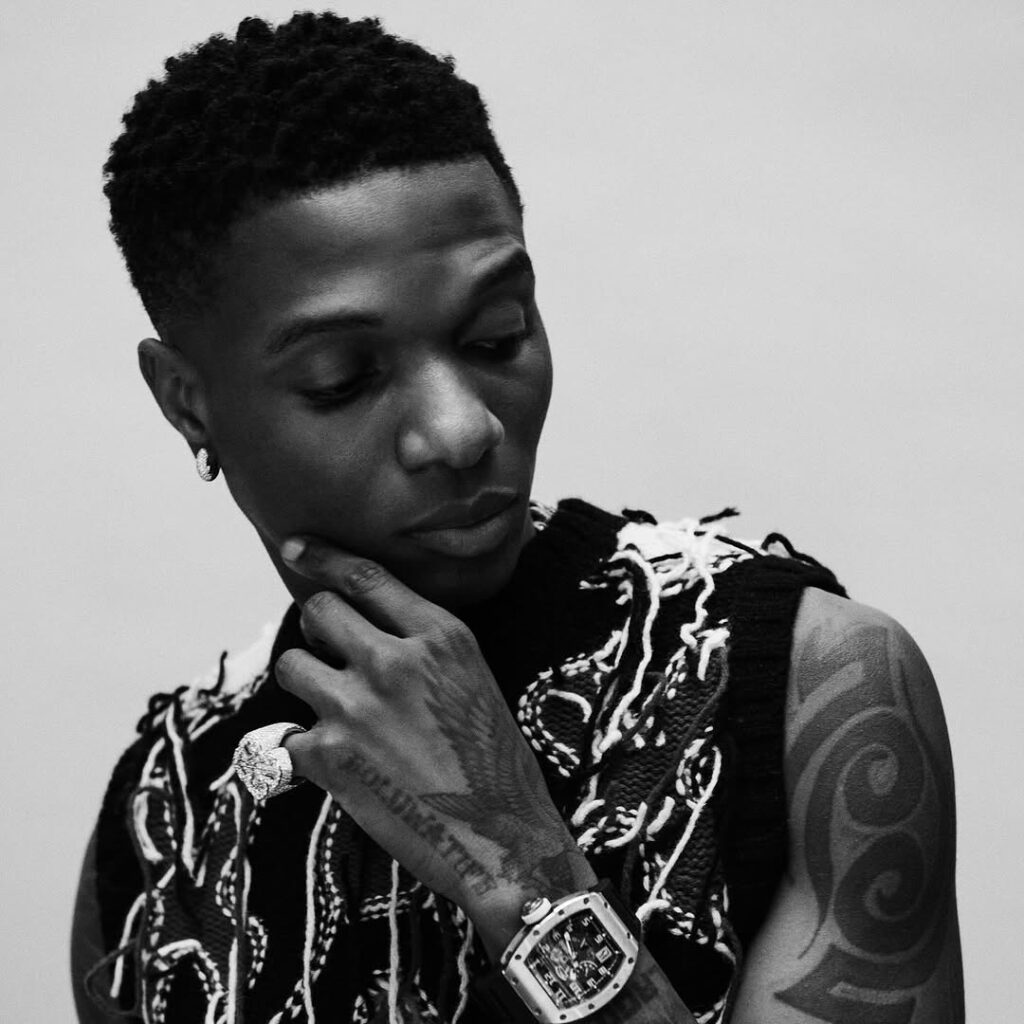
His bankability isn’t just in music: he’s long held lucrative brand deals (e.g. with Pepsi, Cîroc in the past), and his imprint Starboy Entertainment nurtures downstream revenue streams (publishing, licensing). Even as new voices emerge, Wizkid’s brand remains a stable vessel in a turbulent industry.
2. Burna Boy: The Global Icon with Local Loyalty
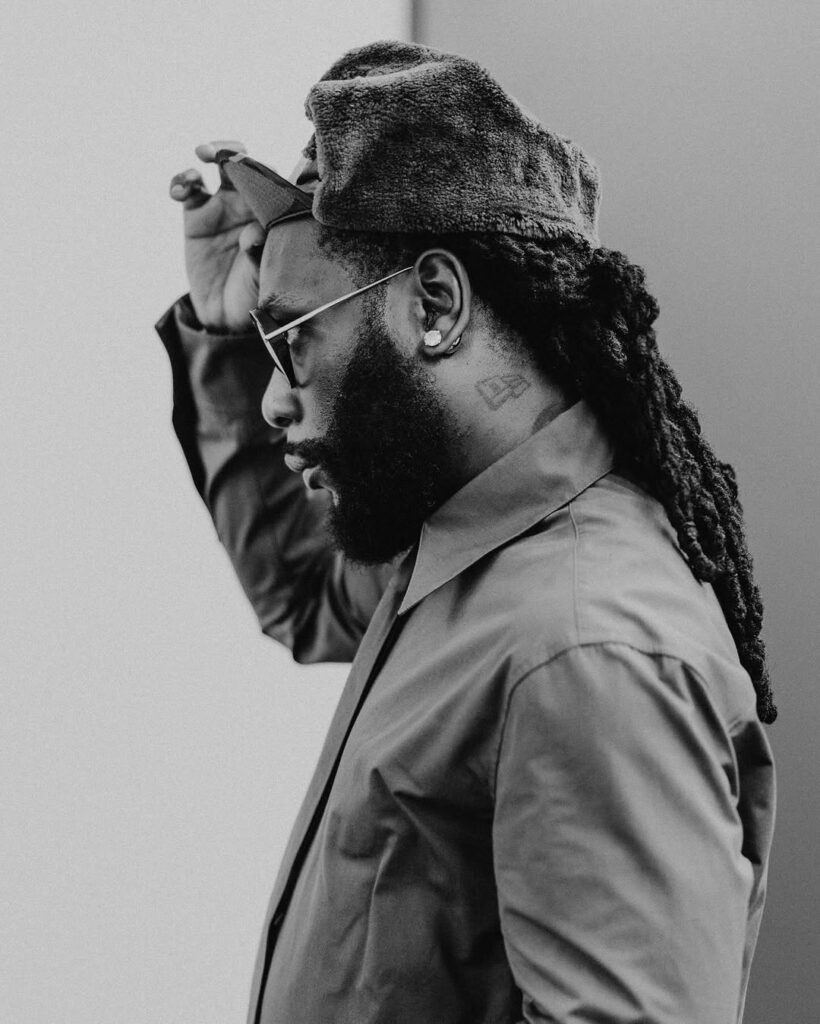
Burna Boy’s narrative is the one many artists now aim for: rooted in local authenticity yet fully global in reach. Since his Grammy win, his appeal has expanded. In late 2025, Spotify placed him at #1 on its list of top Afrobeats artists for the year, ahead of Wizkid, Rema, and Asake.
Sources sometimes list him as Nigeria’s most-streamed artist on Spotify, with a 4.7 billion total streams figure cited in 2025 ranking lists.
His touring power is real: the “I Told Them Tour” drew sold-out venues across continents. Endorsement-wise, Burna has been selective yet high-impact, partnering with brands like Puma and engaging in ventures beyond music. His activism, messaging, and persona yield intangible brand equity that amplifies his commercial value.
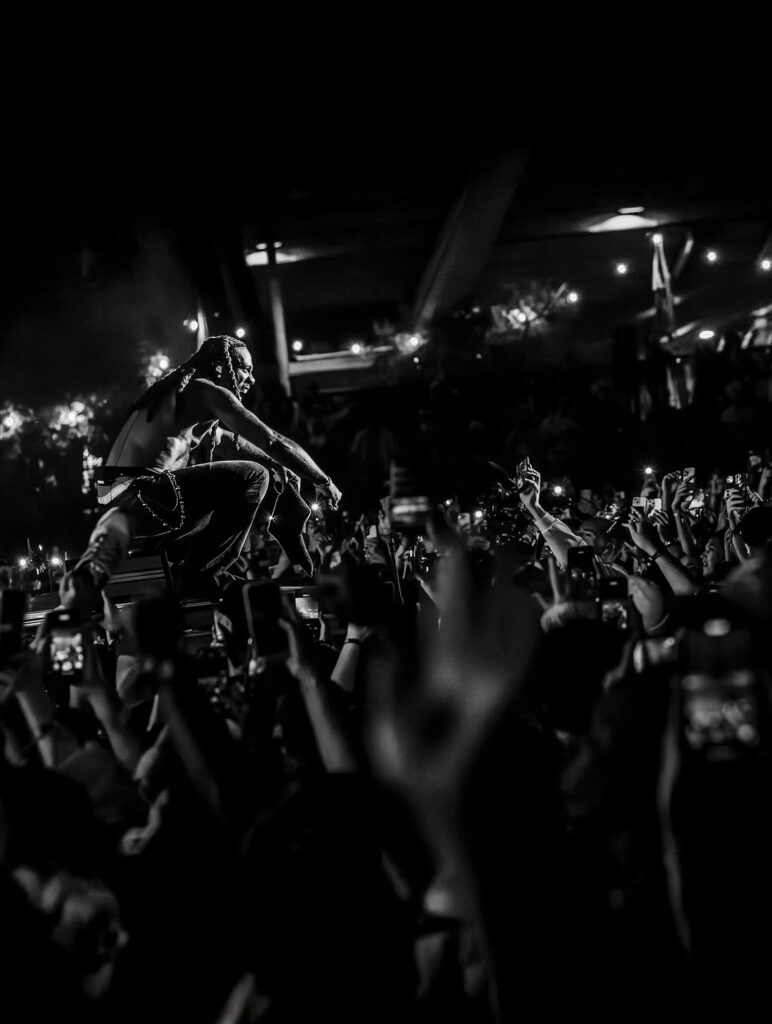
The tension for Burna is maintaining his edge: as mainstream Afrobeats leans pop, he still needs to preserve the “giant” aura — the risk is being co-opted by genre trends.
3. Davido: The All-Rounder Businessman
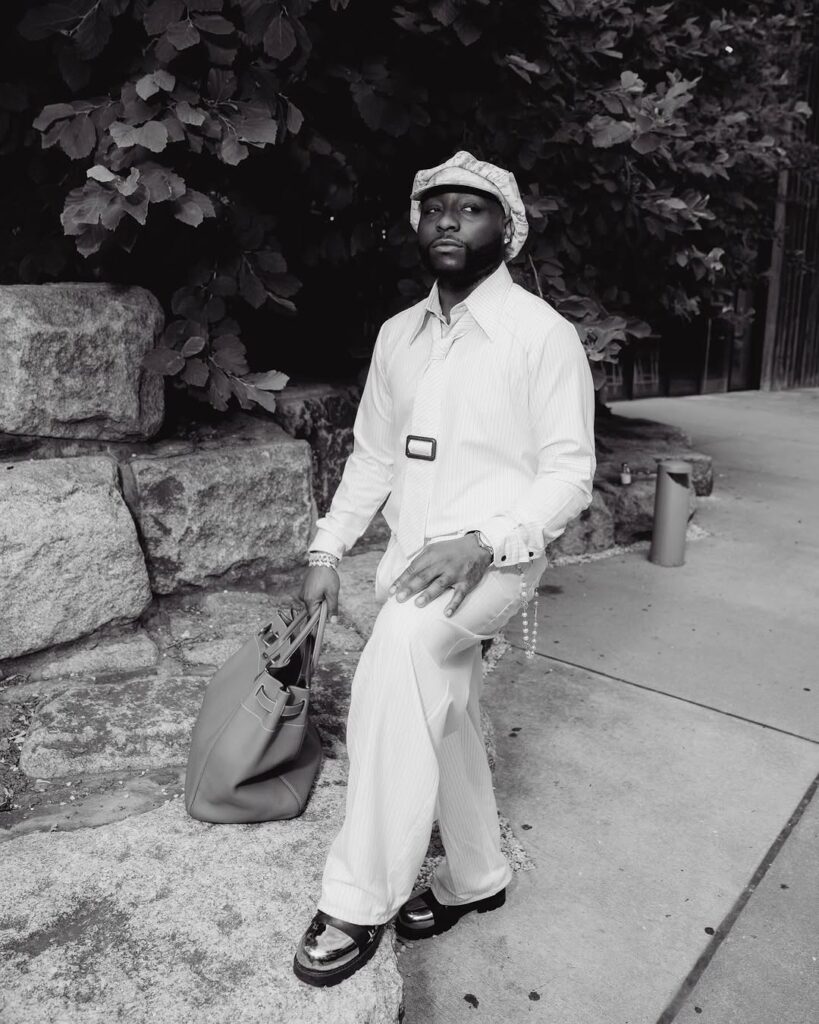
Davido often floats in the conversation as the “complete package.” His earnings are pulled from a diversified portfolio:
- Music and tours: His recent album Timeless continues to generate hits and catalog consumption.
- Brand endorsements: Davido has held deals with major brands like Puma and Pepsi.
- Label and investment ventures: Through DMW (Davido Music World) and more broadly via Pacific Holdings (his family’s entity), he invests in media, tech, and real estate.
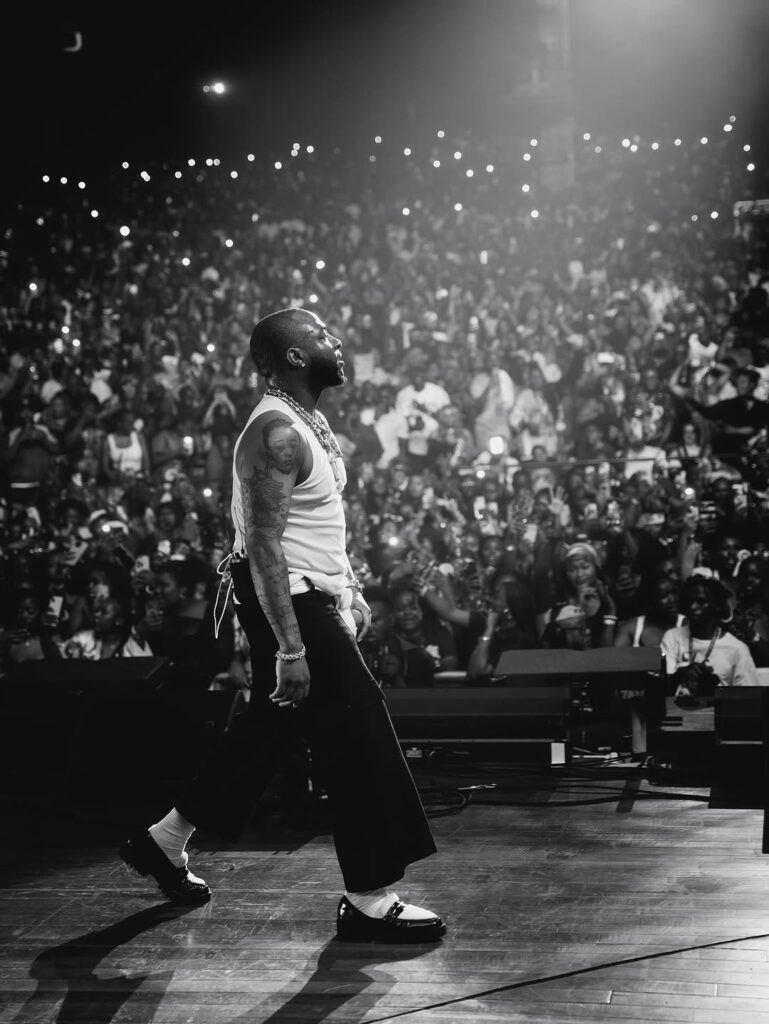
In the local metrics, in H1 2025 Davido ranks third in Nigeria by total music activity (422 million units) behind Wizkid and Asake. For digital engagement, his social media followings remain among the largest in Nigerian music, enabling him to monetize influence via side ventures and activations.
His challenge is sustaining creative relevance while scaling infrastructure — how to stay artistically sharp while operating in the upper strata of Nigeria’s music economy?
4. Rema: The Next Billion‑Stream Titan
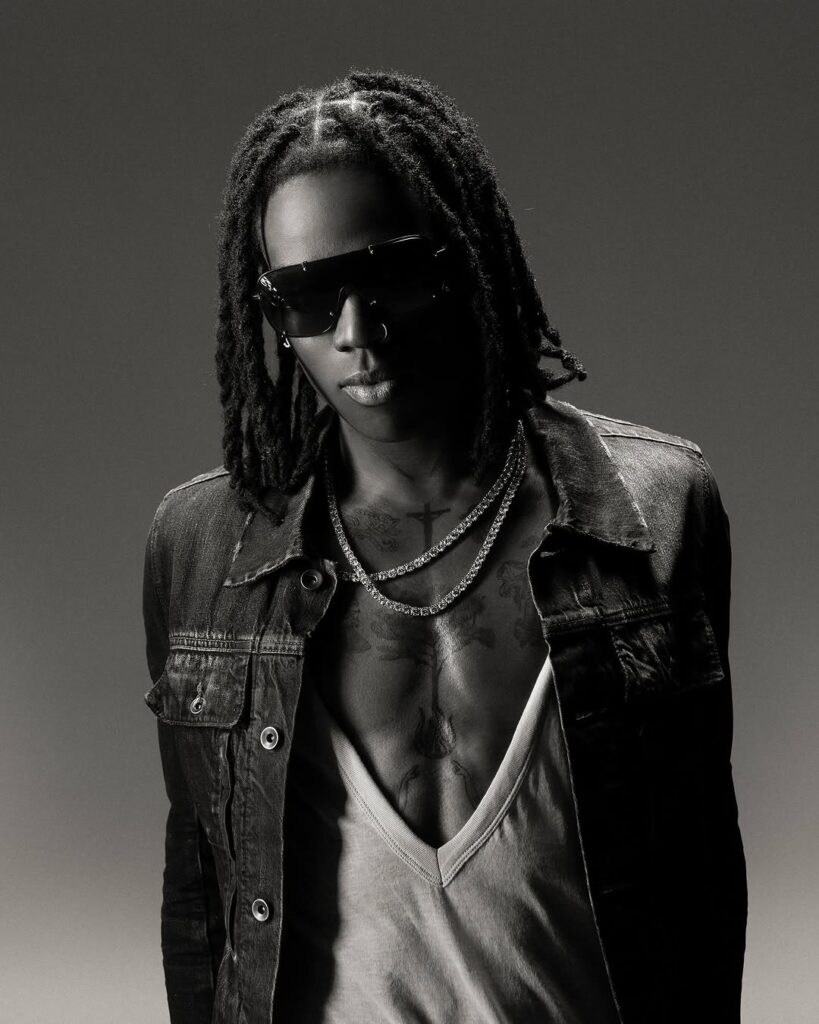
Rema is the poster child of the new wave — young, globally minded, and digitally native. His 2022 smash “Calm Down” (remixed with Selena Gomez) peaked at #3 on the US Billboard Hot 100, a milestone that few Afrobeats acts had achieved.
That track remains among the most-streamed Afrobeats songs globally. In Q1 2025, he logged 223 million YouTube Music streams globally, making him the most-streamed Nigerian artist in that period, per media rankings.
Spotify ranked him #2 on its 2025 Afrobeats artist list, ahead of Wizkid.
His 2024 album HEIS peaked at #2 initially on top charts and later climbed to #1, earning a Grammy nomination for Best Global Music Album.
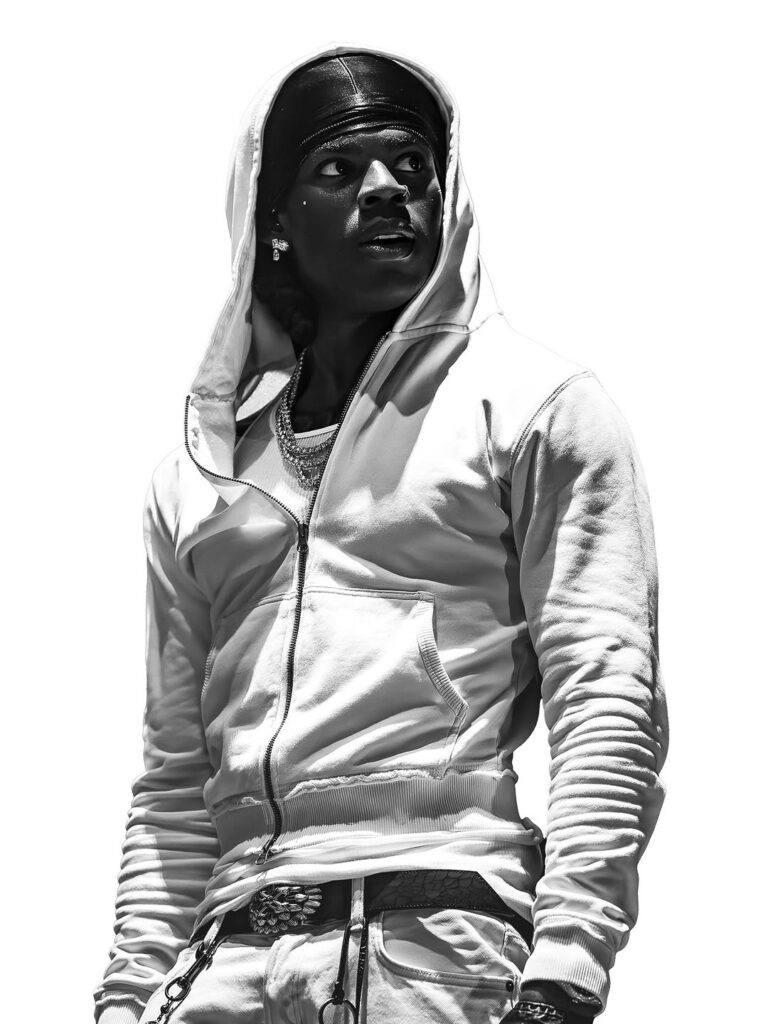
Because Rema’s fanbase is younger and more global, his merch, touring, sync licensing, and brand deals carry exponential upside. He’s still in the growth phase — but many bet he’ll surpass even the older cohort in aggregate value.
5. Asake: The Street-Driven Powerhouse
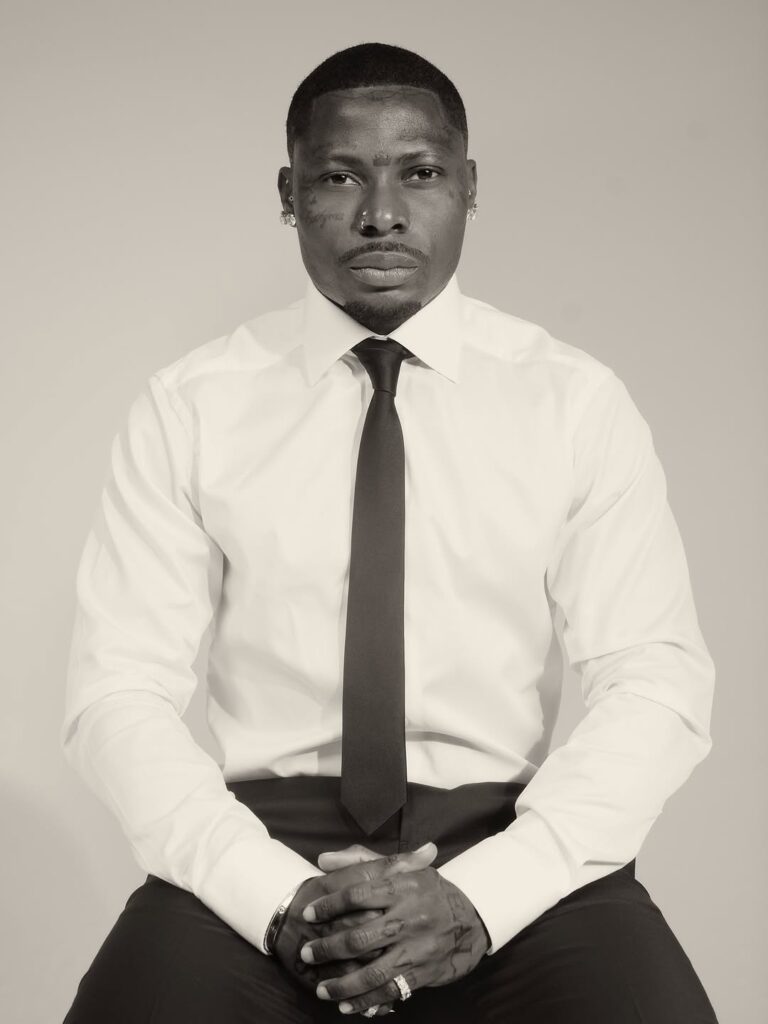
One of the most compelling stories in 2025 is Asake. In many ways, he represents a new model: explosive rise, street resonance, and then fast global scaling.
- His debut album Mr. Money With The Vibe broke Apple Music’s record for biggest first-day streams for an African album at the time.
- His 2024 album Lungu Boy continued the momentum: logged 5 tracks in the top 10 of Nigeria’s TurnTable Top 100 upon release.
- On release day, Lungu Boy logged 9.2 million streams globally on Spotify — a local record for Nigerian albums.
- His single “MMS” (with Wizkid) broke the record for most first-day streams on Spotify Nigeria at that time.
- In H1 2025, he ranks second in Nigeria in music activity behind Wizkid (477 million vs Wizkid’s 505 million) per The Debut Hub.
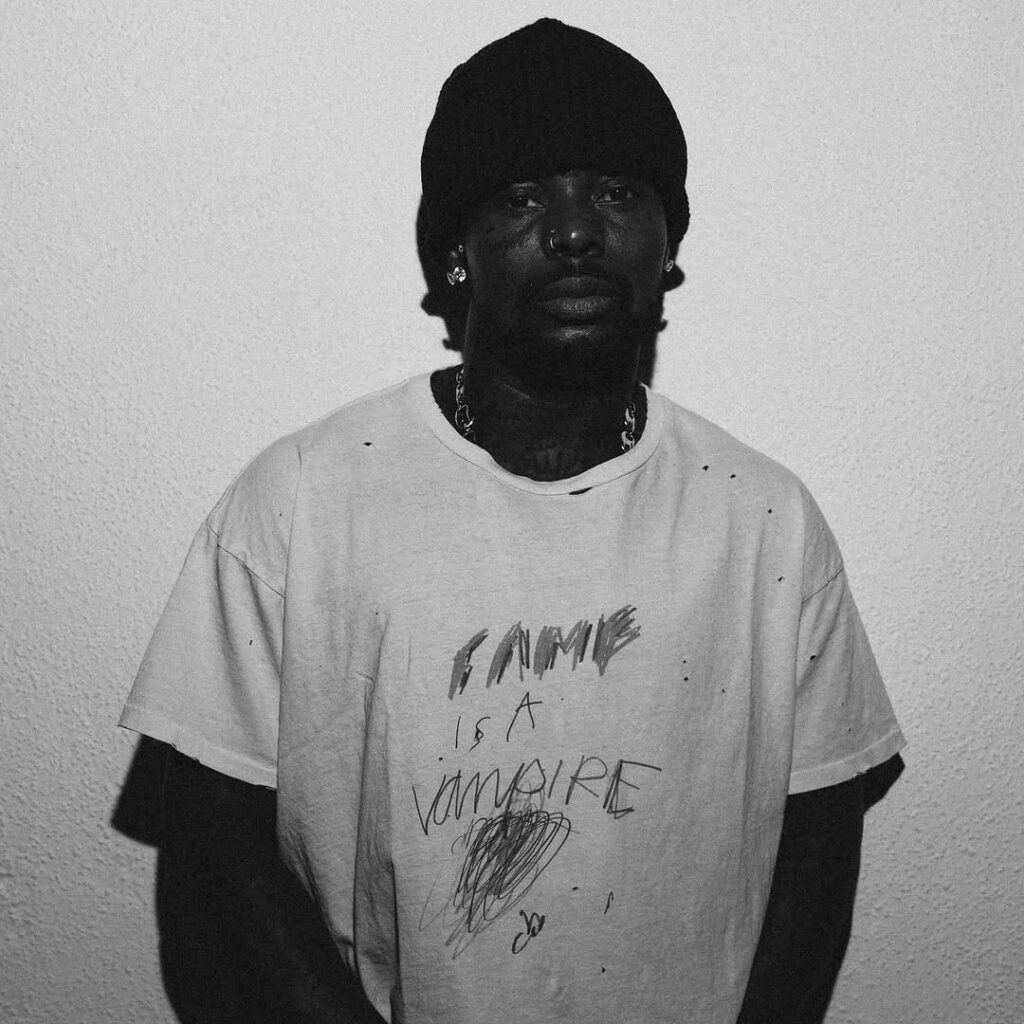
He has already sold out major venues internationally (e.g. O2 Arena) and launched his own independent label (Giran Republic) in February 2025.
Asake’s bankability comes from being cutting-edge and street-rooted — he commands loyalty from fast-emerging core audiences and is now scaling upward. His path shows how local momentum can convert into global currency.
6. Tems: The Female Vanguard with Global Standing

In a scene often skewed male, Tems has carved out a unique lane. Her voice isn’t just a feature — it’s a headline.
- Her collaboration with Drake on “Fountains” and with Wizkid on “Essence” helped cement her as a global voice and not just a feature artist.
- Tems has accumulated billions of streams; in Spotify’s 2025 metrics she sits among Nigeria’s top performers (e.g., #3 in one listing).
- In 2025 Spotify’s Afrobeats rankings, she appears with high placement alongside the names above.
- She has headlined her own tours, selling major venues internationally — proving she can carry demand outside the support role.
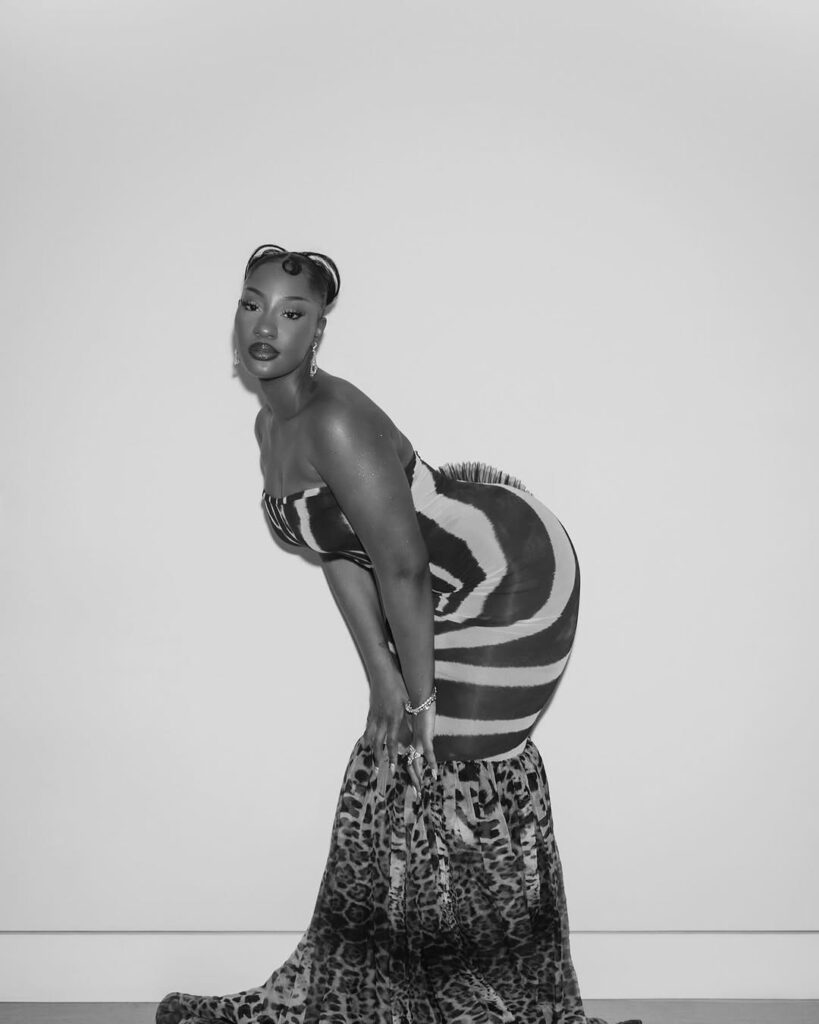
Her challenge, and opportunity, is to expand her catalog and diversify while not being pigeonholed as a “feature queen.” Given the market’s hunger for female-led Afrobeats voices, she’s arguably the safest bet for sustained relevance in that niche.
Anatomy of Bankability: What Drives Their Value?
From analyzing these six artists, we can extract the key levers of modern bankability in the Nigerian/African music economy:
| Lever | Why It Matters | How Some of Them Use It |
|---|---|---|
| Streaming & Catalog Longevity | Streaming is now the heartbeat of revenue. | Wizkid and Burna maintain huge back catalogs; Rema’s newer hits multiply into long-term catalog income. |
| Touring Power | Live performance remains the most lucrative margin. | Burna’s global tours, Davido’s pan-African circuits, Asake’s Europe sellouts. |
| Brand & Endorsements | A brand attach can multiply income far beyond music. | Davido, Wizkid, Burna all have major brand deals; Rema is beginning to attract global sponsorships. |
| Ownership & Investment | Greater control over masters, publishing, and side ventures = higher margins. | Davido’s DMW, Wizkid’s Starboy, Asake’s Giran Republic. |
| Cross-Genre & Global Appeal | Collaborations with non-Afrobeats stars open new markets. | Rema × Selena Gomez, Tems × Drake, Burna × Ed Sheeran. |
| Market Grounding & Authenticity | Local resonance ensures longevity amidst trends. | Asake’s street sound, Burna’s voice in political messaging, Wizkid’s consistency. |
Who’s Truly #1 — and Does It Even Matter?
Ranking “the top bankable artist” becomes an exercise in nuance.
- If the metric is longevity and stability, Wizkid still remains a baseline — he can survive lean trends.
- If the metric is current peak earning potential, Rema and Asake might edge ahead given how fast their metrics are accelerating.
- If branding and influence are paramount, Burna and Davido still dominate.
In truth, the safest answer is: there is no single king. The Nigerian music economy is entering a plural era, where multiple artists hold tiers of bankability across different axes. We’re witnessing a league system, not a monarchy.
The Risk & Reward on the Horizon
Even the biggest names cannot rest. Several pressures loom:
- Streaming Saturation & Margin Pressure
As more artists flood global platforms, per‑stream payouts become diluted. Artists must lean more on touring, merch, sync licensing, and direct monetization. - Currency & Economic Volatility
Where deals are priced in Naira or USD, exchange rates and domestic economic policy can erode earnings. Artists diversifying internationally (tour, royalties from global platforms) hedge against that. - Audience Fragmentation
As Afrobeats splinters into subgenres, staying ahead often means adapting without losing one’s identity. - Sustainability of the Ecosystem
For truly enduring bankability, artists must build infrastructures — labels, publishing arms, media outlets — not rely purely on hit singles. - Gender Imbalance & Gatekeeping
Female artists still face structural barriers (e.g. radio plays, spotlight budgets). Tems, Ayra Starr, Tiwa Savage, and others pushing that boundary will transform the balance.
To Wrap It Up: The Mosaic, Not the Monolith
What these six artists show us is that Nigeria’s music economy in 2025 is neither monolithic nor linear. The blueprint for “bankable” is now a mosaic of streams, tours, brands, ownership, and cultural resonance.
These artists don’t just compete — they also feed off each other’s projects, cross-pollinate fanbases, and jointly push the ecosystem forward. In that sense, their collective rise is more important than any single throne.




Comments are closed.