


In the glare of Afrobeats’ global takeover, Nigeria’s rappers are doing more than survive – they’re reminding us why rap matters. It’s not the pulsating synths or dance floors that define them; it’s the cadence, the struggle, the languages they carry, and how they project those into a world that often sidelines them.
In 2025, a new chapter is being written – in bars, in album statements, in rivalries, and in cultural insistence. This is the story of the rappers blazing the path now: Olamide, Phyno, Odumodublvck, Blaqbonez (now with No Excuses), and those in the shadows writing margins into history.
Olamide: The Bridge Between Then and Now

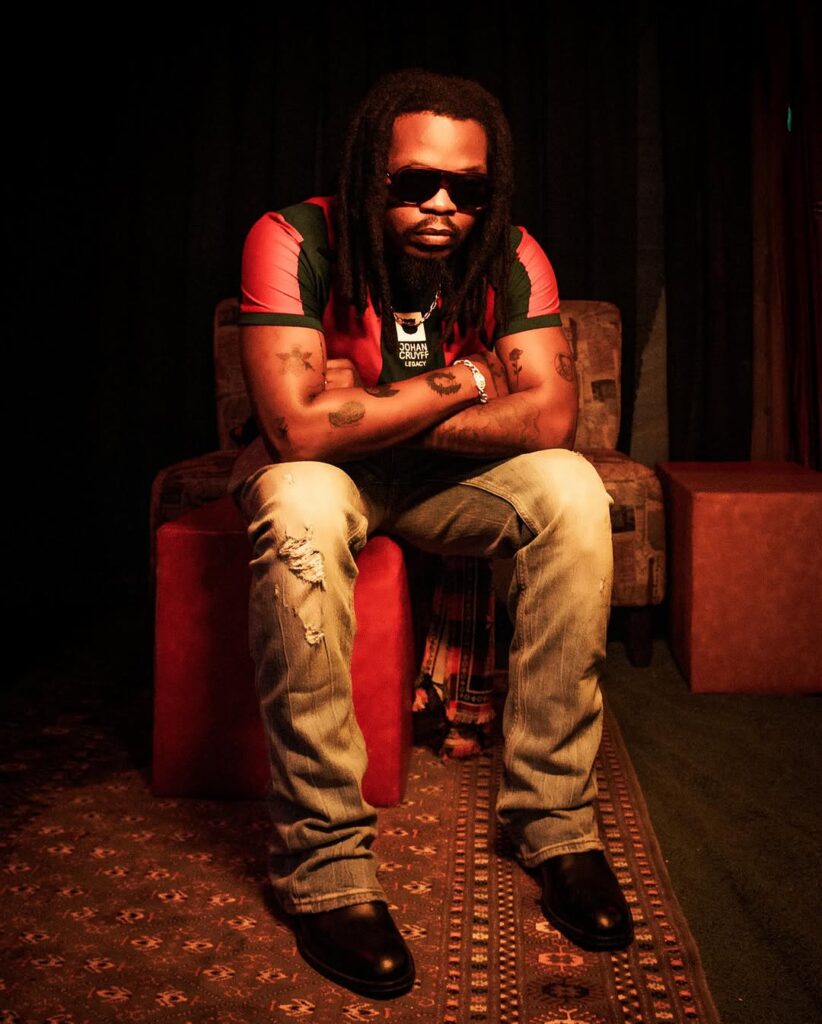
By now, Olamide is more myth than man – a constant in the shifting sands of Nigerian music. But his 2025 self‑titled album Olamidé makes clear he isn’t resting on legend. It’s a statement about survival, reinvention, and legacy.
Released on June 19, 2025, Olamidé features a who’s who of collaborators: Wizkid, Dr. Dre, Popcaan, Spinall, Seyi Vibez, Asake, Young Jonn, and more. The singles “Kai!” (with Wizkid) and “99” (with Asake, Seyi Vibez, Young Jonn, Daecolm) already trended hard in Nigeria, and the album debuted at No. 1 on TurnTable’s Nigerian Albums chart while peaking in the U.S. World Albums chart.
What does Olamidé tell us? That Olamide is refusing ossification. He’s not content being the elder statesman; he’s chasing relevance. The record leans into melody, danceable beats, and cross‑market hooks – but it never abandons his rap core. On tracks like “99,” he balances street sensibility with crossover ambition.
His recent EP Ikigai / 生き甲斐 (Vol. 1), released in 2024, had already hinted at this direction: more introspection, more sonic flexibility, more willingness to lean into global sounds. In that sense, Olamidé doesn’t feel like a pivot but a maturation.
Critics have noted how Olamidé is both a nod backward and a reach forward – the best of what made Olamide resonate (verbal dexterity, Yoruba inflections, street authenticity) together with broader appeal. His move to court artists across genres signals his understanding: rap’s survival in Nigeria now depends on both roots and wings.
Phyno: The Igbo Emissary With Global Reach

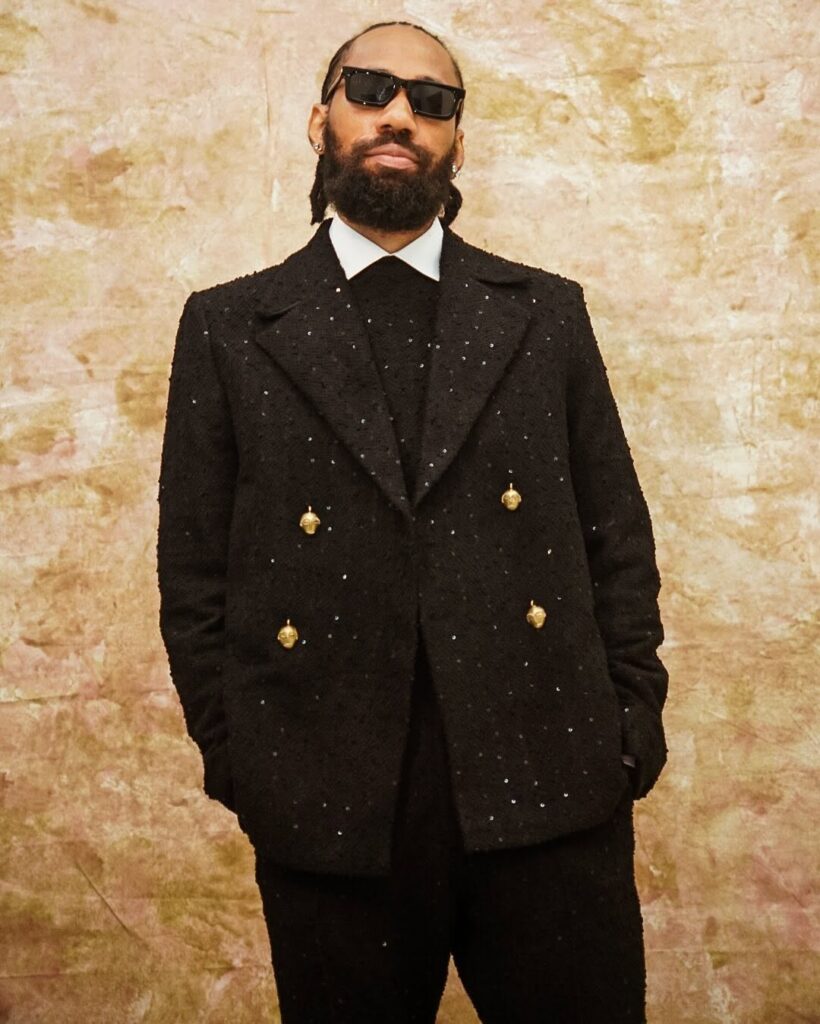
Phyno has always occupied a unique space: a rap general in Igbo, resistant to only-speaking-English status, who also can step into global conversations. His 2024 album Full Time Job reaffirmed that.
Dropped October 4, 2024, Full Time Job is Phyno’s fifth studio album, but more than that, it’s a statement of continuity, reflection, and expansion. The project leans into rap, highlife, R&B, and gospel colors – and features artists like ArrDee, Burna Boy, Chip, NSG, Flavour, Fave, Johnny Drille, and even Hushpuppi.
Reception was warm and measured. AlbumTalks called it “stellar,” lauding how Phyno balanced evolution without losing his sonic identity. Pulse Nigeria declared it a “masterpiece,” citing the swagger of his single “Do I” and his refusal to play small. AfricanFolder praised its cohesion – “a strong project, enjoyable from start to finish.”
What Full Time Job reveals: at 37 (or so), Phyno is still unlocking new room for growth. His decision to rap in Igbo – with occasional English or pidgin overlays – gives him cultural weight. The inclusion of UK artists and cross‑market producers shows he’s not just looking east; he’s eyeing the world.
Phyno’s strength lies in the duality: a man deeply planted in Eastern Nigeria, yet capable of conversation with global rap movements. That duality gives his runways – his features, his tours, his label work – an edge.
M.I Abaga – The Strategist Waiting to Strike Again

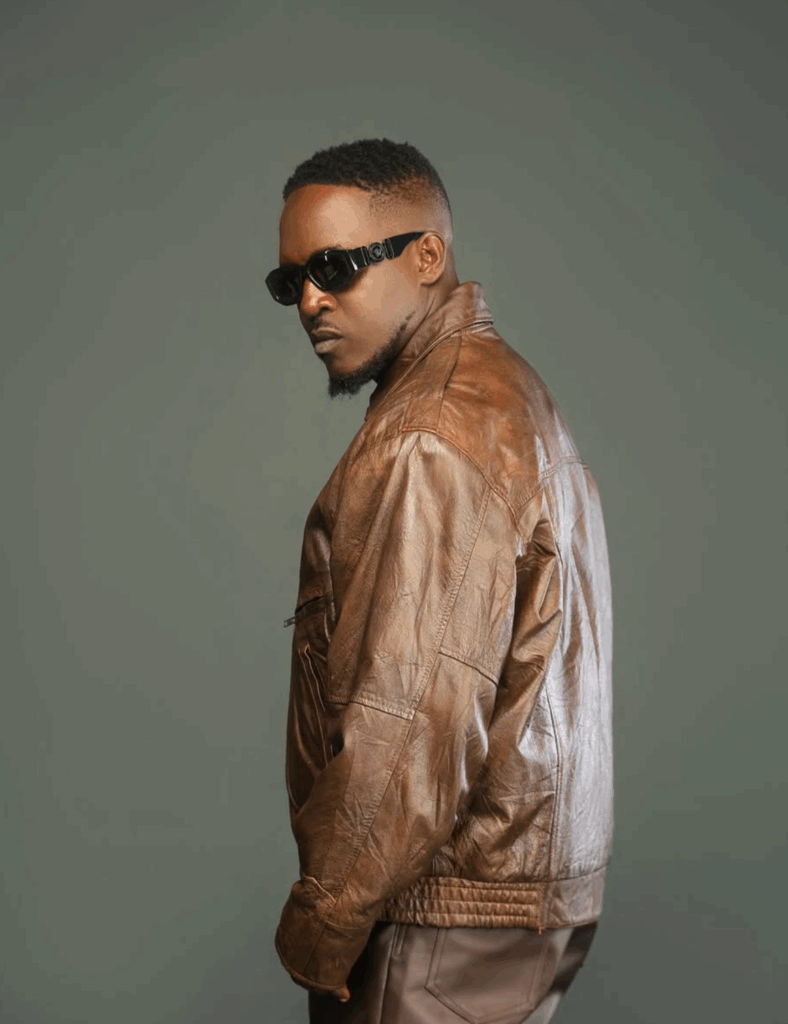
M.I Abaga is no longer just a rapper; he’s a strategist and architect of futures. His last full project, The Guy (2022), explored themes of legacy, vulnerability, and reinvention. In the years since, he’s turned much of his energy inward – building business arms, mentoring, and refining the vision for his next musical chapter.
While The Guy still anchors much of how people assess his artistry, M.I has quietly teased what’s next: a project called The Wolf (Whatever Occurs Look Forward). In promotional sketches and social media teases, he’s framed it as a rebirth – an album that goes beyond rap, pulling from African mythos, responsibility, and ambition. Some teasers even feature playful cameos and symbolic imagery portraying his intention to make this comeback thematic and layered. (unruly source)
This strategy shift is telling. M.I is no longer rushing to fill charts – he’s building towards impact. He remains one of the few artists whose musical voice still carries institutional credibility. The question is not just whether The Wolf will be good, but whether it will shift how we view rap’s place in culture. Will it match the weight of expectation? Will it be the album that cements his role not only as elder, but as renewed force?
The Disruptors: Rewriting the Rules of Naija Rap
Blaqbonez: No More Excuses, No More Waiting
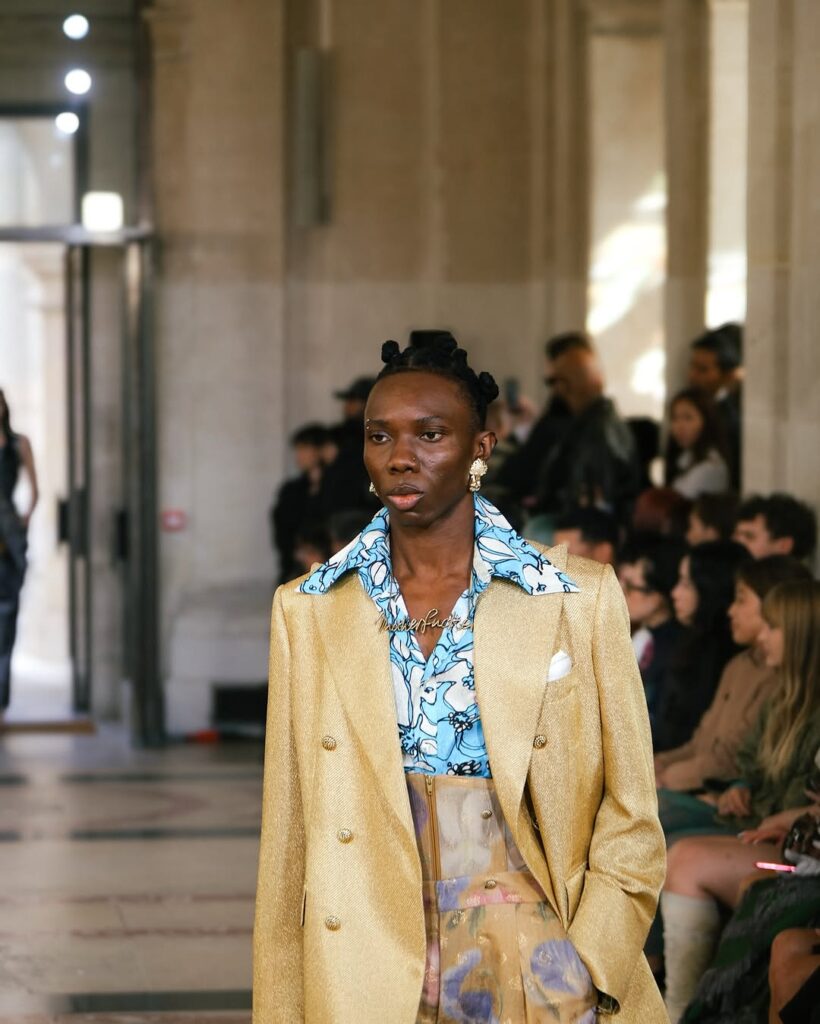
This morning, Blaqbonez dropped his fourth album, No Excuses – a statement that feels overdue yet precise. The 16‑-track project has been billed as his most daring work, blending rap, Afrobeats, and experimental sonic textures.
He teased across months – delaying release to avoid half‑measures. In a recent interview, he said: “I didn’t want to rush it – I wanted to be able to listen to it over 10 years and still feel proud.” One of the tracks, ACL, has stirred buzz for containing a perceived diss directed at Odumodublvck.
This album isn’t just about bars – it’s about staking territory. In his Dazed Magazine interview, he spoke about being tired of being labeled “underground,” tired of compromise. No Excuses is an answer. The guest list is heavy: AJ Tracey, Phyno, Olamide, Young Jonn – he wants both rap respect and audible reach.
If No Excuses hits as intended, it may mark Blaqbonez’s transformation: from ambitious hustler to peer-level rival in the hierarchy of Nigerian rap
Odumodublvck: The Unruly Sonic Firecracker


If rap in Nigeria needed a burst of rebellion, Odumodublvck arrived just in time. His 2025 project Industry Machine (the successor in spirit to The Machine Is Coming) is positioning him as the voice of rupture.
His earlier mixtape, The Machine Is Coming, drew attention for its raw self-assertion, blending drill, trap, highlife, and street narratives into something uniquely Naija. Critics hailed the project as a turning point. The sky seemed too small after that – and Industry Machine aims to expand it.
The reception to his recent singles shows he isn’t just chasing novelty. Tracks like “Pay Me” and “Grooving” walk the line between street gravitas and replay‑friendly hooks. Collaborations with Wizkid, Davido, and other heavyweight names show he’s being taken seriously beyond underground lanes.
What Odumodublvck gives rap in 2025: edge. He reminds us that rap isn’t (and should not be) always polished. It’s urgency, anger, dialect, and the raw nerve of the street. If Industry Machine succeeds in mainstream spaces, it might redefine the permissible sound of Nigerian rap.
LadiPoe – The Quiet Poindexter of Nigerian Rap

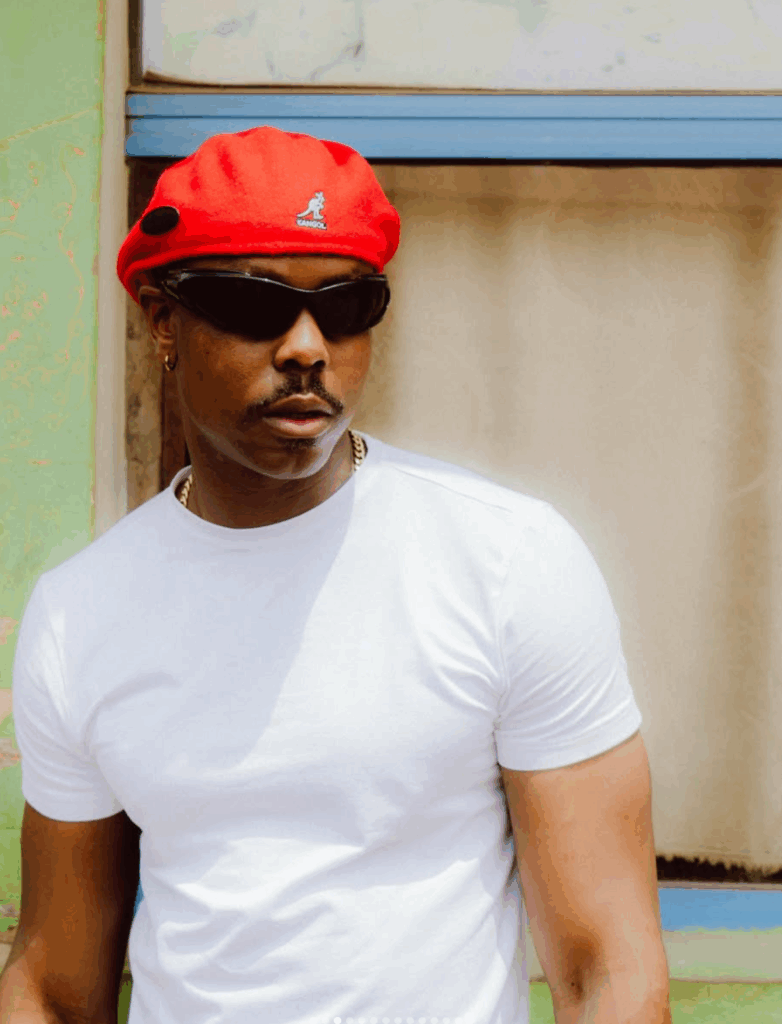
LadiPoe has long occupied a subtle but honored lane: he doesn’t scream, but he lingers. His voice is literary, his flow measured, his cadence deliberate. While he hasn’t dropped a full-length album in 2025, tracks like “Folasade” show the direction he’s walking – a careful tightening of narrative, where every line matters.
“Folasade” evokes heartbreak, memory, longing – but wrapped in restrained production, letting the lyric breathe rather than compete. It’s the kind of move that rewards repeat listens over playlist grabs. In a rap environment where spectacle often trumps depth, LadiPoe is quietly asserting that nuance still has currency.
His posture now is that of the “rap thinking man.” He may not always dominate streaming charts, but he commands the respect of listeners who care more about substance than bounce. In many ways, he is the conscience of lyrical rap in Nigeria today.
Falz – The Feast, the Voice, the Recalibration
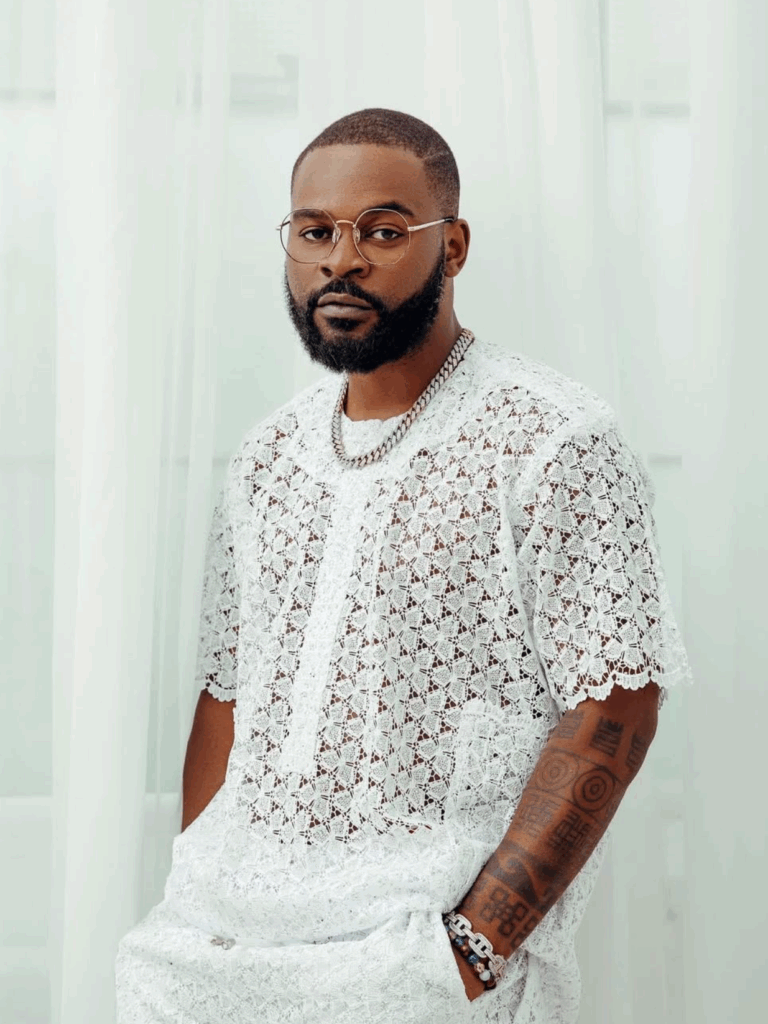
Falz has never been content with easy boxes. He bursts through satire, humor, politics, and empathy with equal energy. His 2025 album The Feast, released May 30, is his latest pivot – a work both ambitious and intimate. (Apple Music)
Twelve tracks, just over 30 minutes, the project pushes Falz into deeper emotional territory while retaining the humour and cultural pulse that made him popular. The opener “Round of Applause” feels celebratory; “Story Time”, the closing track, is nearly six minutes of storytelling and vulnerability. (Substack review)
Critics note The Feast strikes a balance: the swagger and polished production flirt with mainstream appeal, yet some tracks anchor him back into protest, inner reflection, and selfhood. Journalists describe the album as a “banquet of sound and meaning” – not loud at every moment, but meaningful when it matters. (Substack, Guardian commentary)
In the current era, Falz is operating from a place of choice. He can compete but also step aside; he can entertain but also challenge. The Feast positions him not just as a rapper but as a cultural interlocutor, someone whose music is part voice, part social commentary, part art. And that recalibration may be precisely what gives him longevity.
Zlatan Ibile – From Dancefloor Hitmaker to Voice of Aspiration

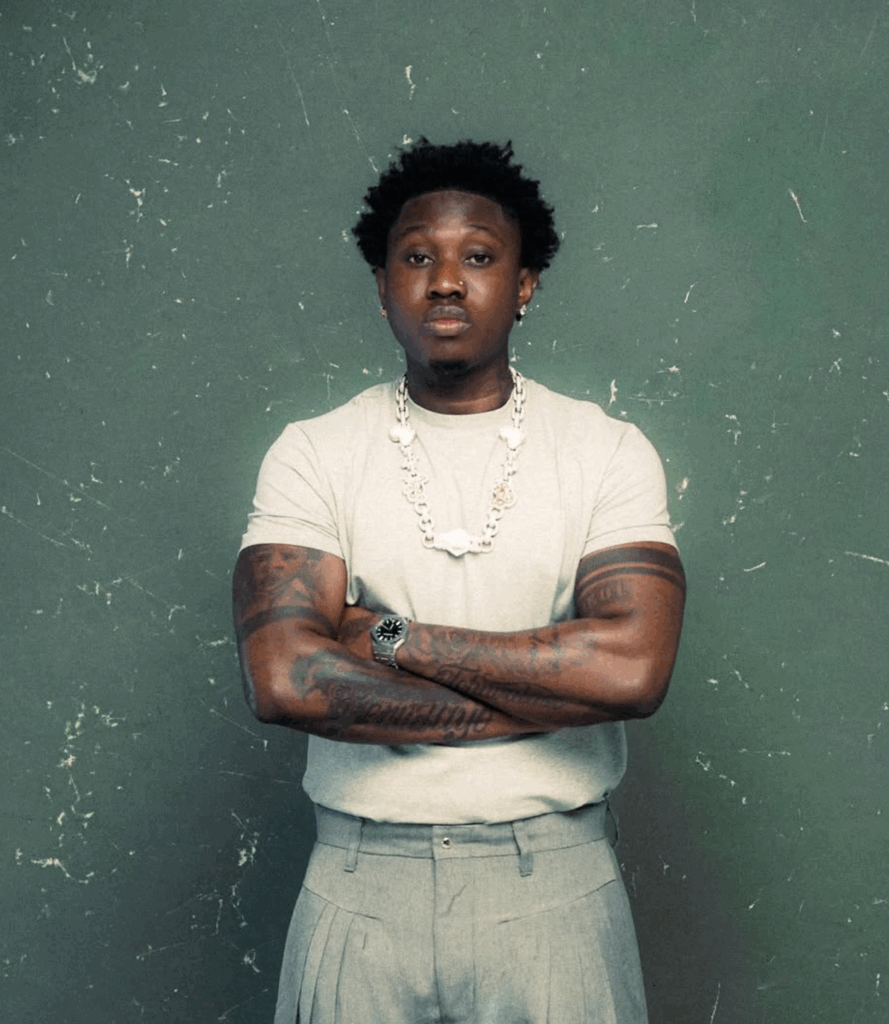
Zlatan Ibile arrived in public consciousness via dance and movement. Songs like “Zanku (Leg Work)” didn’t just chart – they spawned a cultural moment, a dance craze that marked his territory in Nigeria’s evolving music industry. Over time, he’s tried to grow beyond the dance floor, but his latest moves suggest something more intentional: a desire to be seen as more than the “dance guy.”
His third studio album, Symbol of Hope, is slated for October 17, 2025, and tells a story about ambition, survival, and responsibility. He’s described the project as more than music – as testimony. In interviews, Zlatan explains that Symbol of Hope took two years to complete, refining not just sound but message. He credits childhood struggles – sometimes not even being able to eat three square meals – as the emotional anchor behind the album. Those days, he says, turned him into someone who wants to give light to others.
The announcement sparked buzz, and the tracklist has since been revealed, showing a mix of up tempo, street bangers, introspective cuts, and features. The title itself signals a pivot: less about instant club hits, more about enduring emotional resonance.
What makes Symbol of Hope compelling is the narrative arc. Zlatan isn’t pretending he’s always had it easy. He’s leaning into vulnerability – balancing pride with humility. That’s dangerous if mishandled, but in the snippets released so far, he seems aware. He leans on collaborators not just for reach, but to broaden his tonal palette.
Zlatan’s place in Nigeria’s rap/hip-hop ecosystem is tricky. On one hand, he is often bracketed with Afrobeats, dance, and street anthems. On the other, he wants to step fully into rap’s emotional register. Symbol of Hope may be the test: can he rebrand while keeping the fans who love the old Zlatan? Can he hold his ground among narrative rappers without losing his distinct edge?
If Symbol of Hope lands with conviction, Zlatan could become a rare breed: a dance‑born artist who grows into a voice people turn to during life’s quieter hours. That trajectory = from movement to meaning – is what many in the scene will watch closely.
The Street Soldiers & Underground Legends
While the spotlight often lingers on names above, the true richness of Naija’s rap ecosystem comes from those working in margins, urgent spaces, and subcultures. These names accrue respect, push boundaries, and often influence future sonics.
- A‑Q: A veteran of craft – he’s the one other rappers often point to when they talk about technical excellence. He might not chase high chart placements, but his discography is a map of consistency and principles.
- Magnito: He weaves his Hausa-English flows with narrative rap, infusing comedy, storytelling, and street colors. His work pulls regional rap sensibilities into national awareness.
- Oladips: He teeters between melody and rap, giving his records a street-lens emotionality. His voice is hungry, his bars grounded in lived experience.
- Dandizzy: The Port Harcourt emcee with punchlines for days, consistently repping his streets even as the spotlight wobbles.
These artists remind us that the rap narrative doesn’t just travel via big names – it moves through pipelines of mixtapes, cyphers, underground shows, and word-of-mouth.
What the 2025 Rap Scene Tells Us
1. Rap now demands dual fluency: local & global
To succeed, a rapper needs to rap in mother tongue or pidgin, yet also speak in hooks that global ears can catch. Phyno, Olamide, Blaqbonez are walking that line.
2. Identity is not a limitation – it’s a competitive edge
Igbo rap, Yoruba inflections, street pidgin – these aren’t barriers, they are assets. When Blaqbonez attacks in No Excuses, he doesn’t apologize for his accent or swagger; he reclaims them.
3. The album still matters
In the age of singles and playlists, releasing full, coherent bodies of work is itself a statement. Olamidé, Full Time Job, Industry Machine, No Excuses: these aren’t filler compilations – they’re moves.
4. Conflict, rivalry, and stakes are returning
The whispered tension between Blaqbonez and Odumodublvck (as hinted in ACL) shows rap is circling back to its combative roots – the challenge, the rebuttal, the energy.
5. Visuals, fashion, narrative arcs matter as much as bars
These rappers are not just making songs; they’re building identities: runway moments, visuals, covers, social messaging – all parts of the story.
Why We Should Lean Into This Moment
Nigeria’s rap era in 2025 isn’t just a footnote in Afrobeats’ ascent – it’s a parallel struggle for meaning. These rappers are making us listen again – to language, to tension, to identity, to struggle.
There is no single king. There’s a constellation of voices in tension, network, conflict, and cooperation. That’s where the magic is. The moment belongs not to a singular throne-holder, but to the movement they are building together.



Comments are closed.