TalkGlitz

Category: Health

Get to read about health tips. Keep up with the latest health stories

  • 87% of Nigerians Living in Dirty Conditions, Report Reveals

    87% of Nigerians Living in Dirty Conditions, Report Reveals

    87% of Nigerians Living in Dirty Conditions, Report Reveals

    A shocking 179 million Nigerians, equating to 87% of the population, are living in unclean and unhygienic environments, according to the recently released STONE 2024 report.

    The report, unveiled during the ‘STONE 2024 Unplugged’ event hosted by Clean-Up Nigeria in Abuja, paints a grim picture of the nation’s sanitation and waste management challenges.

    Prince Ene Baba Owoh, Jr., National Coordinator of Clean-Up Nigeria, described the findings as a wake-up call. In a statement received by Vanguard, he pointed to the persistent environmental issues across most states.

    The Cleanliness Performance Index highlights significant regional disparities, with states such as Akwa Ibom, Enugu, Lagos, and Abia recognized for modest improvements in cleanliness and waste management. However, 28 out of 37 states, including the Federal Capital Territory (FCT), were classified as unclean, reflecting a nationwide sanitation crisis.

    Although open defecation rates dropped slightly from 24% in 2023 to 20% in 2024, the progress is overshadowed by a sharp decline in waste recycling rates. Recycling efforts fell from 26% in 2023 to 19% in 2024, a setback attributed to worsening poverty levels, which have reduced public and private investments in recycling initiatives.

    States like Akwa Ibom, Enugu, Abia, and Lagos showed a 4% increase in waste management equipment procurement, but these efforts fall short of addressing the broader issue. The report stresses the urgent need for increased government investment in infrastructure and stronger enforcement of waste management policies.

    Sanitation workers are also facing mounting challenges. The report reveals a drop in the health and safety rating of these workers, declining from 31% in 2023 to 28% in 2024. This decline highlights worsening working conditions and inadequate support for individuals on the frontline of the sanitation crisis.

    Clean-Up Nigeria has called for greater responsibility from both government authorities and citizens. The organization urged stronger policies, increased funding, and better infrastructure to address the sanitation crisis and improve the health and well-being of Nigerians.

  • FCT Places Over 61,000 HIV Patients on Treatment, Focuses on Pediatric Care

    FCT Places Over 61,000 HIV Patients on Treatment, Focuses on Pediatric Care

    World AIDS Day 2024 Highlights Progress and Challenges in Comb

    FCT Places Over 61,000 HIV Patients on Treatment, Focuses on Pediatric Care  The Federal Capital Territory (FCT) Administration has successfully placed 61,384 individuals living with HIV/AIDS (PLHIV) on treatment, surpassing the projected number by 223%, according to Dr. Adedolapo Fasawe, Mandate Secretary for Health Services and Environment Secretariat.

    Speaking at a press conference in Abuja to commemorate World AIDS Day 2024, Dr. Fasawe, represented by Dr. Olubenga Bello, Director-General of the Hospital Management Board, highlighted the theme, “Take the Right Path: Sustain HIV Response, Stop HIV Among Children.” The theme underscores the need to address pediatric HIV while protecting the rights of those affected.

    Progress in the FCT

    With an HIV prevalence rate of 1.4%, slightly above the national average of 1.3%, the FCT has been proactive in expanding and decentralizing care services to reach underserved populations. Key achievements include:

    • Comprehensive Service Points: A network of 122 service delivery points across six Area Councils provides antiretroviral therapy (ART).
    • Decentralized Care: An additional 285 conventional spoke sites and 37 unconventional community-based care locations ensure accessibility.
    • Pediatric Care: Of the individuals on treatment, 1,048 are children, representing 3.8% of those receiving life-saving ART.

    Pediatric HIV Interventions

    The FCT has introduced unique programs to combat pediatric HIV, including:

    • Mentor Mothers: Women trained to guide pregnant mothers through prevention and care pathways.
    • Training for Caregivers: Traditional birth attendants are educated on facility births, early infant diagnosis, and prophylaxis within 72 hours of life.
    • Community Initiatives: Programs like the Mothers’ Love Party and the AP3 Initiative enhance support for the Prevention of Mother-to-Child Transmission (PMTCT).

    HIV Prevention and Partnerships

    The FCT has expanded access to Pre-Exposure Prophylaxis (PrEP) for individuals at risk of HIV. These advancements are supported by strong partnerships with organizations like the National AIDS and STI Control Programme, the Institute of Human Virology Nigeria, and AIDS Healthcare Foundation.

    “Together, we have prioritized key populations, women, children, and vulnerable groups, ensuring that every person diagnosed with HIV receives the care, dignity, and support they deserve,” said Fasawe.

    Looking Forward

    While significant progress has been made, Dr. Fasawe emphasized the ongoing challenge of pediatric HIV in Nigeria. Efforts will continue to identify cases, link individuals to care, and prevent new infections. The FCTA also remains committed to ending stigma and discrimination, which hinder access to care.

    Commemorative Activities

    World AIDS Day activities will conclude with a road walk on Tuesday, starting from Government Secondary School, Garki, to the Old Parade Ground in Area 10, Garki. The event aims to raise awareness and renew public commitment to combating HIV/AIDS.

    ating HIV/AIDS

  • Mavin Records Artist Crayon Opens Up About Struggles with Mental Health and Addiction

    Mavin Records Artist Crayon Opens Up About Struggles with Mental Health and Addiction

    Crayon reveals battles with addiction and self-doubt in candid interview, credits Rema for timely intervention.

    Mavin Records Artist Crayon Opens Up About Struggles with Mental Health and Addiction
    Crayon

    Mavin Records artist Crayon has shared his personal struggles with mental health and addiction in the Nigerian music industry, revealing a challenging period in his career that nearly led him to quit music. In an interview with Korty, Crayon detailed the immense pressures he faced after releasing six songs in 2020 that failed to meet expectations, which severely impacted his mental health.

    Crayon opened up about his substance abuse issues, admitting he was addicted to a dangerous combination of Codeine, Marijuana, Tramadol, and Skuchies—a potent mix of various drugs. The turning point came when a close friend nearly died from a Tramadol overdose, prompting Crayon and his friends to reassess their lifestyle choices.

    Reflecting on his struggles, Crayon said, “If you’re an artist, and you want to come into the industry, Omo, if you know say you no get strong mental health, no enter o!”

    He recounted the breaking point when he walked barefoot to Mavin Records, smashed his phone in frustration, and seriously considered quitting music altogether. His erratic behavior raised alarm among his peers, prompting Mavin star Rema and others to intervene. Crayon said Rema rushed to his side, providing emotional support when he was at his lowest.

    Crayon shared that he was taken to a psychiatric hospital in Lekki for professional help, which was a pivotal moment in his recovery. “I couldn’t talk. I literally lost my mind. Fighting wars that nobody can see, only you,” he explained, describing the intensity of his mental health battle.

  • NAFDAC Issues Warning on Recalled High-Caffeine G Fuel Energy Drinks

    NAFDAC Issues Warning on Recalled High-Caffeine G Fuel Energy Drinks

    NAFDAC Issues Warning on Recalled High-Caffeine G Fuel Energy Drinks
    NAFDAC Notifies Public About G Fuel Energy Drinks Recall

    The National Agency for Food and Drugs Administration and Control (NAFDAC) has issued a public alert, warning the public about the G Fuel brand Energy Drinks, which have been recalled due to their high caffeine content. The alert, numbered 034/2023, was released in Abuja on Thursday by NAFDAC’s Director-General, Prof Mojisola Adeyeye.

    Adeyeye disclosed that NAFDAC was made aware of the product recall by T&E Imports and GPAE Trading Corp, following notifications from the Netherlands Food and Consumer Product Safety Authority (NVWA) and the Canadian Food Inspection Agency (CFIA).

    Emphasizing the potential health risks associated with consuming high levels of caffeine, Adeyeye cautioned that individuals may experience symptoms such as headaches, insomnia, irritability, and nervousness, especially if they are sensitive to caffeine. Pregnant women were also advised against consuming these products, as excessive caffeine intake could lead to an increased risk of miscarriage and low birth weight.

    Adeyeye further noted that the recalled products lack proper cautionary statements limiting the number of servings per day and are available for purchase online. Importantly, she pointed out that these products have not been registered by NAFDAC, urging both consumers and retailers to refrain from using, selling, serving, or distributing the implicated products.

    To report any suspicion of the distribution and sale of unwholesome packaged food products, the public is encouraged to contact the nearest NAFDAC office or reach out to NAFDAC at 0800-162-3322 or via email at sf.alert@nafdac.gov.ng. Healthcare professionals and patients are also urged to report adverse events or side effects related to the use of any substandard NAFDAC-regulated product, utilizing the E-reporting platforms available on the NAFDAC website (www.nafdac.gov.ng) or the Med-safety application, which can be downloaded from Android and IOS stores. Additionally, NAFDAC can be reached via email at pharmacovigilance@nafdac.gov.ng.

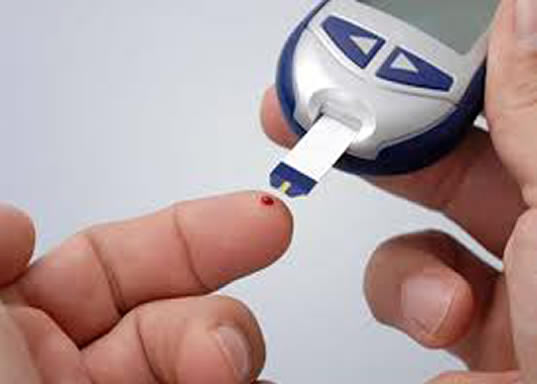
  • Diabetes Cases Projected to Reach 1.3 Billion by 2050 - Report

    Diabetes Cases Projected to Reach 1.3 Billion by 2050 – Report

    The global diabetes epidemic is set to reach unprecedented levels, with a recent report indicating that the number of individuals affected by this chronic disease is expected to double by 2050.

    Diabetes Cases Projected to Reach 1.3 Billion by 2050 - Report

    The number of people suffering from diabetes worldwide will more than double to 1.3 billion by 2050 driven by structural racism and gaping inequality between countries, new research predicted on Friday.

    Every country on the globe will see an increase in the number of patients with chronic disease, according to the most comprehensive analysis of global data projecting out to 2050.

    Some 529 million people were estimated to already be living with diabetes, one of the top 10 causes of death and disability.

    That number — 95 per cent of which are cases of type 2 diabetes — will top 1.3 billion in less than three decades, according to a study published in the Lancet journal.

    High body mass index — an indication that people could be overweight — was linked to more than half of deaths and disability from diabetes.

    Other factors included people’s diets, exercise, smoking and alcohol.

    Liane Ong, lead research scientist at the Institute for Health Metrics and Evaluation (IHME) and first author of one of the studies, said one factor was how diets had changed.

    “Over the course of 30 years, different countries have really migrated from traditional food habits — maybe eating more fruits and vegetables, eating healthier greens — to more highly processed foods,” she told AFP.

    The research also estimated that by 2045, three-quarters of adults with diabetes will live in low- and middle-income countries.

    But even in wealthy countries such as the United States, diabetes rates were almost 1.5 times higher among minorities such as black, Hispanic, Asian or Native Americans, a separate Lancet study said.

    Study co-author Leonard Egede, of the Medical College of Wisconsin, blamed a “cascade of widening diabetes inequity.”

    “Racist policies such as residential segregation affect where people live, their access to sufficient and healthy food and health care services,” he said in a statement.

    Ong said, “The challenge is that we don’t really see one type of intervention that’s going to fix everything”.

    Instead, fighting diabetes will require long-term planning, investment and attention from countries around the globe, she said.

    In an editorial, the Lancet said that “the world has failed to understand the social nature of diabetes and underestimated the true scale and threat the disease poses.”

    “Diabetes will be a defining disease of this century,” it added.

  • NTBLCP Warns Nigerians: Tuberculosis is not caused by witchcraft

    NTBLCP Warns Nigerians: Tuberculosis is not caused by witchcraft

    NTBLCP Warns Nigerians: Tuberculosis is not caused by witchcraft
    Tuberculosis

    The Federal Ministry of Health’s National Tuberculosis and Leprosy Control Programme (NTBLCP) has cautioned Nigerians that tuberculosis is a contagious illness that cannot be attributed to witchcraft. Speaking at the 2023 Pre-World TB Day Press Conference, which was co-hosted by Stop TB Partnership Nigeria and the NTBLCP, Dr Chukwuma Anyaike, the National Coordinator of NTBLCP, clarified that tuberculosis is caused by a bacterium called mycobacterium tuberculosis that can only be contracted by inhaling it when it is suspended in the air.

    He added that the disease cannot be transmitted by handshaking or hugging, and that the course of the illness is determined by the body’s immune system.

    Dr Anyaike stated that Nigeria, which is the sixth most affected country in the world and the most affected country in Africa, needs to raise awareness about tuberculosis. He urged the media to assist in increasing awareness, adding that while progress has been made in informing the public, there is still a long way to go. He also noted that primary prevention entails raising awareness, and that this should be done more frequently than just once a year.

    Dr Anyaike praised Nigeria’s progress in controlling tuberculosis, highlighting the identification of more than 285,000 cases in 2022 as a significant milestone. Despite this accomplishment, he emphasized that there is still a long way to go in the fight against the disease, and urged Nigerians to continue working together with passion and commitment.

  • Lagos State expresses concern over low COVID-19 vaccination turnout

    Lagos State expresses concern over low COVID-19 vaccination turnout

    Lagos State expresses concern over low COVID-19 vaccination turnout
    Covid-19 Vaccine

    The Lagos State government has expressed concern about the low turnout of people for COVID-19 vaccination in the state, considering it the epicenter of the disease in the country.

    Dr. Olubunmi Akinlade, the state’s immunization coordinator for the Ministry of Health, raised this concern during a media dialogue and advocacy event aimed at promoting the uptake of immunization and nutrition for children under two years old and the COVID-19 vaccination.

    The United Nations Children’s Fund (UNICEF) and the National Orientation Agency (NOA) Lagos organized the two-day media roundtable. Despite being the epicenter of COVID-19 in Nigeria, only about 27% of the targeted eight million adults have been vaccinated. Akinlade stated that many people are still hesitant to get vaccinated, even though there has been aggressive education that the COVID-19 vaccine is safe and can save lives. She also mentioned that some people only took the first dose and never followed up with the necessary second or third doses to be fully vaccinated.

    The state government aimed to vaccinate 69,000 people daily based on the eight million targets. However, due to the high reluctance of people to get vaccinated, the exercise is slowing down. Only about 20,000 to 30,000 people present themselves for vaccination each day, which is not encouraging, especially as the virus is still around, and some people contract and die from it without showing symptoms.

    Akinlade urged people who are yet to get vaccinated to visit any of the designated centers near them as they need to protect themselves and those around them. She also stated that the state government has made it easy by designating many primary health centers and around 450 mobile outlets across the state.

    Dr. Waheed Ishola, the Lagos State Director of the National Orientation Agency, stated that both NOA and UNICEF believe in the role of the media in bringing public health concerns to the forefront and getting all stakeholders to live up to their responsibilities. He emphasized the importance of having healthy people for the socio-economic development of a country and how the media can educate the general public on this issue.

  • Healthy and Natural: 9 Effective Ways to Promote Hair Growth Without Harsh Chemicals

    Healthy and Natural: 9 Effective Ways to Promote Hair Growth Without Harsh Chemicals

    Healthy and Natural: 9 Effective Ways to Promote Hair Growth Without Harsh Chemicals  Hair growth is a topic of concern for both men and women alike. While hair loss is an issue that many individuals face, many are also struggling to grow their hair to the desired length. While there are numerous products available in the market to promote hair growth, many people prefer natural methods that don’t involve chemicals or synthetic products. In this article, we will explore natural ways of promoting hair growth that can help you achieve healthy and luscious hair.

    1. Proper Nutrition

    The first and foremost thing to consider when promoting hair growth naturally is proper nutrition. Our hair is made up of protein, and it requires a healthy diet to maintain its growth and health. Therefore, it is essential to consume foods that are rich in protein, such as fish, poultry, eggs, beans, and nuts.

    Healthy and Natural: 9 Effective Ways to Promote Hair Growth Without Harsh Chemicals  Other vital nutrients that are essential for hair growth are iron, zinc, biotin, and vitamins A, C, and E. Iron helps in carrying oxygen to hair follicles, zinc promotes hair growth, biotin strengthens hair strands, and vitamins A, C, and E have antioxidant properties that help in promoting healthy hair growth. Foods rich in these nutrients include leafy greens, lentils, whole grains, carrots, and berries.

    1. Scalp Massage

    Scalp massage is a natural and effective way of promoting hair growth. Massaging the scalp can help in stimulating the hair follicles, increasing blood circulation, and promoting hair growth. A scalp massage can be done using your fingertips or a scalp massager, and it can be done for a few minutes every day.

    Healthy and Natural: 9 Effective Ways to Promote Hair Growth Without Harsh Chemicals  To perform a scalp massage, start by sitting in a comfortable position and relaxing your shoulders. Use your fingertips to gently massage your scalp in a circular motion. Apply gentle pressure, but avoid applying too much pressure as it can damage the hair follicles. You can also use a scalp massager, which can be purchased at a beauty store. A scalp massage can also help in reducing stress and promoting relaxation.

    1. Essential Oils

    Essential oils are a natural way of promoting hair growth. Many essential oils have properties that help in increasing blood circulation, reducing inflammation, and stimulating hair growth. Essential oils can be applied directly to the scalp or mixed with a carrier oil such as coconut oil or olive oil.

    Some of the essential oils that are beneficial for hair growth include:

    • Peppermint oil: Peppermint oil has a cooling effect on the scalp, which helps in increasing blood flow to the hair follicles. It also has antibacterial properties that can help in reducing inflammation on the scalp.
    • Rosemary oil: Rosemary oil is rich in antioxidants and has anti-inflammatory properties. It helps in increasing blood circulation, promoting hair growth, and reducing hair loss.
    • Lavender oil: Lavender oil has calming properties that can help in reducing stress and anxiety, which can contribute to hair loss. It also has antifungal properties that can help in reducing dandruff on the scalp.

    To use essential oils for hair growth, mix a few drops of the essential oil with a carrier oil and massage it into the scalp. Leave it on for a few hours or overnight, and then rinse it off with shampoo.

    1. Aloe Vera

    Aloe vera is a natural ingredient that is known for its healing properties. It can also be used to promote hair growth. Aloe vera contains enzymes that can help in promoting healthy hair growth by removing dead skin cells from the scalp and unclogging hair follicles.

    Healthy and Natural: 9 Effective Ways to Promote Hair Growth Without Harsh Chemicals  To use aloe vera for hair growth, extract the gel from an aloe vera leaf and apply it to the scalp. Leave it on for 30 minutes, and then rinse it off with lukewarm water.

    1. Onion Juice

    Onion juice is a natural remedy that can help in promoting hair growth. Onions contain sulfur, which helps in increasing collagen production, promoting hair growth, and reducing hair loss. Onion juice also has antibacterial properties that can help in reducing scalp infections.

    To use onion juice for hair growth, blend an onion in a blender and strain the juice. Apply the juice to the scalp and leave it on for 15-20 minutes, and then rinse it off with shampoo.

    1. Green Tea

    Green tea is a natural ingredient that is rich in antioxidants and can help in promoting hair growth. Green tea contains a compound called epigallocatechin-3-gallate (EGCG), which helps in promoting hair growth by stimulating hair follicles and reducing hair loss.

    To use green tea for hair growth, brew a cup of green tea and let it cool. Apply the green tea to the scalp and leave it on for an hour, and then rinse it off with cool water.

    1. Exercise

    Exercise is not only beneficial for our overall health but also for promoting hair growth. Exercise helps in increasing blood circulation, which in turn promotes hair growth.

    Healthy and Natural: 9 Effective Ways to Promote Hair Growth Without Harsh Chemicals  Exercise also helps in reducing stress, which can contribute to hair loss.

    1. Manage Stress

    Stress is a common cause of hair loss, and managing stress is essential for promoting healthy hair growth. Stress can contribute to hair loss by disrupting the natural hair growth cycle and causing hair follicles to enter a resting phase.

    To manage stress, try practicing relaxation techniques such as deep breathing, yoga, or meditation. You can also try engaging in activities that you enjoy, such as reading, listening to music, or spending time with friends and family.

    1. Sleep

    Getting enough sleep is essential for promoting healthy hair growth. Lack of sleep can contribute to stress and disrupt the natural hair growth cycle. Aim for at least 7-8 hours of sleep every night to promote healthy hair growth.

    Conclusion

    In conclusion, there are many natural ways of promoting hair growth. Proper nutrition, scalp massage, essential oils, aloe vera, onion juice, green tea, exercise, managing stress, and getting enough sleep are all natural and effective ways of promoting healthy hair growth. While natural remedies may take longer to show results, they are a safer and healthier alternative to chemical-based products. It is essential to be patient and consistent with these natural remedies to achieve the desired results.


  • New Study Reveals Effective Tips for Maintaining a Healthy Meal Pattern and Improving Overall Well-being

    New Study Reveals Effective Tips for Maintaining a Healthy Meal Pattern and Improving Overall Well-being

    Eating healthy food is essential for good health and well-being. It is essential to maintain a balanced and healthy diet to ensure that the body gets all the necessary nutrients to function correctly. A healthy meal pattern can help to reduce the risk of developing chronic diseases such as obesity, heart disease, and diabetes. This article discusses how to maintain a healthy meal pattern, which can help to improve overall health and well-being.

    Understanding the Basic Nutrients

    Before discussing how to maintain a healthy meal pattern, it is essential to understand the basic nutrients required for the body. The human body needs six primary nutrients: carbohydrates, proteins, fats, vitamins, minerals, and water. Carbohydrates provide energy to the body, and they are found in foods such as bread, pasta, and rice. Proteins help the body to build and repair tissues, and they are found in foods such as meat, fish, and beans. Fats are essential for the body as they provide energy and help to absorb vitamins. Fats are found in foods such as nuts, avocados, and oily fish. Vitamins and minerals are essential for maintaining healthy bodily functions, and they are found in a variety of foods, including fruits, vegetables, and dairy products. Water is also essential as it helps to keep the body hydrated and is needed for proper bodily functions.

    Plan Your Meals

    New Study Reveals Effective Tips for Maintaining a Healthy Meal Pattern and Improving Overall Well-being  One of the best ways to maintain a healthy meal pattern is to plan your meals in advance. Planning meals can help you to ensure that you are getting all the necessary nutrients in your diet. It can also help you to avoid unhealthy foods and make healthier food choices. When planning your meals, it is essential to consider the number of calories you need to consume daily, which depends on your age, gender, weight, and activity level. You can use an online calculator to determine the number of calories you need to consume daily. Once you have determined the number of calories, you can then plan your meals accordingly.

    Include a Variety of Foods

    New Study Reveals Effective Tips for Maintaining a Healthy Meal Pattern and Improving Overall Well-being  Another essential aspect of maintaining a healthy meal pattern is to include a variety of foods in your diet. Eating a variety of foods can help to ensure that the body gets all the necessary nutrients. It can also help to prevent boredom and make meals more interesting. When planning your meals, try to include a variety of foods from each of the food groups, such as fruits, vegetables, grains, protein, and dairy. It is also essential to vary the types of fruits, vegetables, and protein sources you consume.

    Choose Whole Foods

    When planning your meals, it is essential to choose whole foods instead of processed foods. Whole foods are foods that are in their natural state and have not been processed or refined. Processed foods are often high in sugar, sodium, and unhealthy fats, and they can contribute to weight gain and the development of chronic diseases. Whole foods, on the other hand, are rich in nutrients and fiber and can help to keep the body healthy. Some examples of whole foods include fruits, vegetables, whole grains, nuts, and seeds.

    Reduce the Consumption of Unhealthy Foods

    It is also essential to reduce the consumption of unhealthy foods when maintaining a healthy meal pattern. Unhealthy foods are high in sugar, unhealthy fats, and sodium and can contribute to weight gain and the development of chronic diseases. Some examples of unhealthy foods include fast food, fried food, processed snacks, and sugary drinks. While it is okay to indulge in unhealthy foods occasionally, it is essential to limit their consumption and make healthier food choices.

    Pay Attention to Portion Sizes

    When maintaining a healthy meal pattern, it is also essential to pay attention to portion sizes. Overeating can lead to weight gain, which can contribute to the development of chronic diseases. It is essential to be mindful of the amount of food you are consuming and use tools like measuring cups, food scales, or hand guides to ensure you are consuming the right portion size. A general rule of thumb is to fill half your plate with fruits and vegetables, a quarter with protein, and a quarter with grains.

    Eat Regularly

    Eating regularly is also an essential aspect of maintaining a healthy meal pattern. Skipping meals or going too long without eating can lead to overeating, low energy, and a slow metabolism. It is essential to eat three meals per day and include healthy snacks in between meals. Eating regularly can help to maintain stable blood sugar levels, prevent overeating, and keep the body fueled.

    Stay Hydrated

    New Study Reveals Effective Tips for Maintaining a Healthy Meal Pattern and Improving Overall Well-being  Staying hydrated is also essential for maintaining a healthy meal pattern. Water is necessary for proper bodily functions, and it can also help to keep the body feeling full and prevent overeating. It is recommended to drink at least 8-10 glasses of water per day, and more if you are physically active or live in a hot climate.

    Incorporate Mindful Eating

    Incorporating mindful eating is another essential aspect of maintaining a healthy meal pattern. Mindful eating involves paying attention to the food you are eating, eating slowly, and savoring the flavors and textures of the food. It can help to prevent overeating, reduce stress, and improve overall well-being. Some tips for mindful eating include eating without distractions, chewing slowly, and taking deep breaths between bites.

    Conclusion

    Maintaining a healthy meal pattern is essential for good health and well-being. It involves planning your meals in advance, including a variety of foods in your diet, choosing whole foods, reducing the consumption of unhealthy foods, paying attention to portion sizes, eating regularly, staying hydrated, and incorporating mindful eating. By following these tips, you can maintain a healthy meal pattern and improve your overall health and well-being. Remember, small changes can lead to big results, so start by making one small change at a time, and eventually, you will have created a healthy habit.

  • Signs That You Might Be Suffering From Depression

    Signs That You Might Be Suffering From Depression

    Signs That You Might Be Suffering From Depression  Depression is a serious mental health condition that affects millions of people worldwide. It can be difficult to recognize the signs of depression, but understanding the symptoms can help you or a loved one seek the proper treatment. In this article, we will explore some of the common signs that you may be suffering from depression.

    One of the most prevalent signs of depression is a persistent feeling of sadness or hopelessness. People who are depressed often feel like they are in a dark hole that they can’t escape from. They may lose interest in activities that they once enjoyed, and they may feel like they have no energy or motivation to do anything. They may also feel guilty, worthless, or helpless.

    Another sign of depression is changes in sleep patterns. People who are depressed may have trouble sleeping, or they may sleep too much. They may have trouble falling asleep, or they may wake up in the middle of the night and be unable to get back to sleep. They may also feel more tired or sluggish than usual during the day.

    A third sign of depression is changes in appetite. Some people who are depressed may lose their appetite and lose weight, while others may eat more and gain weight. They may also have difficulty enjoying food, which can lead to problems with malnutrition.

    Depression can also lead to physical symptoms such as headaches, muscle aches, and stomach problems. People with depression may also have trouble concentrating or making decisions. They may also have feelings of guilt, worthlessness, or hopelessness, which can affect their ability to function in their daily lives.

    A loss of interest in daily activities and social interactions are common signs of depression. They may avoid social events and interactions, and become isolated from friends and family. They may also stop participating in activities they used to enjoy.

    Another sign of depression is thoughts of suicide or self-harm. People who are depressed may have thoughts of ending their lives or hurting themselves. They may also make attempts to harm themselves. If you or someone you know is thinking about suicide or self-harm, it is important to seek help immediately.

    It is important to remember that depression is a treatable illness. If you or someone you know is showing signs of depression, it is important to seek help from a qualified healthcare professional. They can help diagnose and treat the condition, and provide support and guidance to help the person cope with their symptoms. With proper treatment, people with depression can go on to lead happy and fulfilling lives.

    In conclusion, depression is a serious mental health condition that affects millions of people worldwide. Understanding the signs and symptoms of depression can help you or a loved one seek the proper treatment. Common signs of depression include feelings of sadness or hopelessness, changes in sleep patterns, changes in appetite, physical symptoms, loss of interest in daily activities and social interactions, and thoughts of suicide or self-harm. If you or someone you know is showing signs of depression, seek help from a qualified healthcare professional for proper diagnosis and treatment. With the right support, people with depression can recover and lead fulfilling lives.

  • Outbreak Of Diphtheria: NCDC Issues Public Health Advisory

    Outbreak Of Diphtheria: NCDC Issues Public Health Advisory

    Talkglitz Media gathered that the Nigeria Centre for Disease Control and Prevention (NCDC) has responded to reports of diphtheria cases in Lagos and Kano States and is monitoring the situation in Osun and Yobe States where cases are now being picked up. In addition to clinically suspected cases, there have been laboratory-confirmed cases and the NCDC is working with State Ministries of Health and partners to enhance surveillance and response to the outbreak. This includes keeping the public informed on staying safe at home and in their communities.

    Outbreak Of Diphtheria: NCDC Issues Public Health Advisory

    ABOUT DIPHTHERIA

    What is Diphtheria?

    Diphtheria is a serious bacterial infection caused by the bacterium called Corynebacterium species that affects the nose, throat and sometimes, skin of an individual.

    Who is at risk?

    People most at risk of contracting diphtheria:

    • Children and adults who have not received any or a single dose of the pentavalent vaccine (a diphtheria toxoid-containing vaccine).

    • People who live in a crowded environment.

    • People who live in areas with poor sanitation.

    • Healthcare workers and others who are exposed to suspected/confirmed cases of diphtheria.

    Transmission

    Diphtheria spreads easily between people through;

    • Direct contact with infected people

    • Droplets from coughing or sneezing.

    • Contact with contaminated clothing and objects.

    Symptoms

    The onset of signs and symptoms usually starts after 2 – 10 of exposure to the bacteria. Symptoms of diphtheria include;

    • Fever

    • Runny nose

    • Sore throat

    • Cough

    • Red eyes (conjunctivitis)

    • Neck swelling

    • In severe cases, a thick grey or white patch appears on the tonsils and/or at the back of the throat associated with difficulty breathing.

    Prevention

    The Nigeria childhood immunization schedule recommends three (3) doses of pentavalent vaccine (diphtheria toxoid-containing vaccine) are recommended for children in the 6th-, 10th- and 14th -week of life.

    NCDC’s Advice to Nigerians

    To reduce the risk of diphtheria, the NCDC offers the following advice;

    1. Parents should ensure that their children are fully vaccinated against diphtheria with three (3) doses of the pentavalent vaccine as recommended in the childhood immunisation schedule.

    2. Healthcare workers should maintain a high index of suspicion for diphtheria i.e., be vigilant and look out for symptoms of diphtheria.

    3. Individuals with signs and symptoms suggestive of diphtheria should isolate themselves and notify the local government area (LGA), state disease surveillance officer (DSNO) or the NCDC through our toll-free line (6232).

    4. Close contacts with a confirmed case of diphtheria should be closely monitored given antibiotics prophylaxis and started on diphtheria antitoxin treatment when indicated.

    5. All healthcare workers (doctors, nurses, laboratory scientists, support staff etc.) with higher exposure to cases of diphtheria should be vaccinated against diphtheria.

  • Health Benefits Of Pineapple

    Health Benefits Of Pineapple

    Health Benefits Of Pineapple
    Pineapple Juice

    Pineapple is a delicious tropical fruit that is not only tasty, but also packed with a variety of health benefits. This versatile fruit is a good source of essential vitamins and minerals, and is also high in antioxidants and enzymes that can help boost overall health.

    One of the most well-known health benefits of pineapple is its high levels of vitamin C. This essential nutrient helps to support a healthy immune system, and can also aid in the production of collagen, which is important for maintaining healthy skin and joints. Pineapple is also a good source of vitamin B6, which plays a crucial role in maintaining a healthy nervous system and metabolism.

    Health Benefits Of Pineapple
    Pineapple being sliced

    In addition to essential vitamins, pineapple is also a good source of minerals such as potassium, manganese, and magnesium. Potassium is important for maintaining healthy blood pressure, and manganese is essential for maintaining healthy bones and metabolism. Magnesium is important for maintaining healthy muscles and nerves.

    Another important health benefit of pineapple is its high levels of antioxidants, which can help to protect the body from free radical damage. Free radicals are unstable molecules that can damage cells and contribute to the development of chronic diseases such as cancer, heart disease, and Alzheimer’s disease. The antioxidants in pineapple, such as vitamin C, beta-carotene, and flavonoids, can help to neutralize these harmful molecules and reduce the risk of these diseases.

    Pineapple also contains a unique enzyme called bromelain, which has a number of health benefits. Bromelain is known to have anti-inflammatory properties, and is thought to be helpful in relieving pain and inflammation associated with conditions such as osteoarthritis and rheumatoid arthritis. It is also known to aid in the digestion of protein and has been traditionally used as a natural remedy for indigestion and bloating.

    In addition to all of these health benefits, pineapple is also a low-calorie, fat-free food that is a great addition to any diet. It can be enjoyed fresh, canned, or frozen, and can be added to a variety of dishes such as salads, sandwiches, smoothies, and desserts.

    Overall, pineapple is a delicious and nutritious fruit that can provide a wide range of health benefits. From boosting the immune system to reducing inflammation, pineapple is a great food to include in any diet. With its high levels of vitamins, minerals, antioxidants and enzymes, pineapple is a great choice for anyone looking to boost their overall health and well-being.

  • US Hospital Appoints Dora Akunyili's Daughter, Ijeoma As Chief Medical Officer

    US Hospital Appoints Dora Akunyili’s Daughter, Ijeoma As Chief Medical Officer

    Ijeoma, the daughter of the late Professor Dora Akunyili, has been announced as the Chief Medical Officer of the Jersey City Medical Center, an RWJ Barnabas Health facility, in the United States of America.

    US Hospital Appoints Dora Akunyili's Daughter, Ijeoma As Chief Medical Officer  The medical center made the announcement in a statement on Wednesday, January 11, 2023, adding that Dr. Akunyili is its first Black Chief Medical Officer.

    Ijeoma is the first daughter of the late Dora Akunyili, former director-general of NAFDAC and ex-minister of information.

    The statement reads, “Jersey City, NJ – Jersey City Medical Center, an RWJBarnabas Health facility, announced the appointment of Ije Akunyili, MD, MBA, MPA, as the new Chief Medical Officer effective January 2, 2023. Dr. Akunyili is the Medical Center’s first Black Chief Medical Officer.”

    “RWJBarnabas Health is proud to add Dr. Akunyili to its executive clinical leadership team. Her experience managing multi-specialty physician groups in integrated health care systems will help support Jersey City Medical Center in providing comprehensive health care throughout the community,” said Andy Anderson, MD, Executive Vice President, and Chief Medical and Quality Officer for RWJBarnabas Health. She will be a tremendous asset to our team.”

    “Dr. Akunyili has a wealth of experience and knowledge, and as our Chief Medical Officer, we look forward to creating a world-class experience for every patient at Jersey City Medical Center. I am confident that Hudson County will benefit in a great way from her leadership, and that her presence will have a tremendous impact,” said Michael Prilutsky, President and Chief Executive Officer of the Medical Center.”

    “In her most recent role, Dr. Akunyili served as the Regional Medical Director for TeamHealth, Northeast Group, where she had strategic, operational, and clinical oversight of nearly twenty emergency departments, critical care, and hospitalist service lines in Connecticut, New Jersey, New York, Rhode Island, and Pennsylvania. She led an unprecedented fourfold expansion of service lines with a specific focus on medical services and access to care for underserved populations.”

    “Previously, Dr. Akunyili served as the chair of emergency medicine at Waterbury Hospital, a Level II trauma teaching hospital. There she was the change agent who led a dynamic team in dramatically reducing the lengths of stay, improving overall performance across multiple patient-centered metrics, and increasing physician staffing. She was awarded the 2019 Medical Director of the Year Award for the impressive turnaround of the Waterbury Hospital Emergency Department.”

    “In addition to her executive experience, Dr. Akunyili has vast leadership and advocacy experience and is currently serving as the President of the Connecticut College of Emergency Physicians (CCEP). Prior, she served for several years on the board of directors of Texas and Connecticut Colleges of Emergency Physicians. She was an Assistant Professor of Emergency Medicine at Baylor College of Medicine Houston, TX, and she is currently a Clinical Assistant Professor of Medicine at Yale University.”

    Speaking on the appointment, Ijeoma was quoted as saying, “I am grateful for this opportunity, and I look forward to serving the residents of Hudson County and continuing to provide safe, innovative, efficient, and equitable care.

    It is a true privilege to lead the clinical effort at Jersey City Medical Center and to create sustainable health outcomes for our community.”


  • Breast Cancer Awareness Day 2022: Tips To Early Detection

    Breast Cancer Awareness Day 2022: Tips To Early Detection

    How to detect breast cancer

    Breast Cancer Awareness Day 2022: Tips To Early Detection  No one wants to hear the phrase “you have breast cancer.” But according to the American Cancer Society, about 1 in 8 women in the United States will develop invasive breast cancer over the course of their lifetime. So it’s important to know how to detect breast cancer early when it’s most treatable.

    Here are some tips on how to detect breast cancer:

    1. Know your risk factors. There are certain factors that can increase your risk of developing breast cancer, such as age, family history, personal history of breast cancer, dense breasts, and more. If you know your risks, you can be more vigilant about checking for signs of breast cancer.

    2. Perform a self-exam. Once a month, check your breasts for any changes in size, shape, or texture. If you notice anything unusual, bring it to your doctor’s attention.

    3. Get an annual mammogram. Mammograms are the best way to detect breast cancer early. Be sure to schedule one every year starting at age 40 (or earlier if you have a family history of breast cancer).

    4. See your doctor for regular checkups. In addition to mammograms, you should also see your doctor regularly for

    What is breast cancer?

    Breast cancer is a type of cancer that develops from breast tissue. Signs and symptoms of breast cancer may include a lump in the breast, a change in breast shape, dimpling of the skin, fluid coming from the nipple, a newly inverted nipple, or a red or scaly patch of skin. In men, breast cancer may cause Gynecomastia. Breast cancer is most commonly diagnosed in women between the ages of 40 and 55 years old; however, it can also occur in younger women and men. The exact cause of breast cancer is unknown; however, there are several risk factors associated with the disease, including family history, personal history of certain cancers, radiation exposure, obesity, alcohol consumption, and hormone replacement therapy. Treatment for breast cancer may include surgery (lumpectomy or mastectomy), radiation therapy, chemotherapy, targeted therapy, or hormone therapy.

    How common is breast cancer?

    According to the American Cancer Society, about 1 in 8 women in the United States will develop breast cancer at some point in their lives.

    What are the symptoms of breast cancer?

    Breast Cancer Awareness Day 2022: Tips To Early Detection  There are a few different things to look for when trying to detect breast cancer. Most notably, you should be on the lookout for any changes in the size or shape of your breasts. Additionally, you may notice that one of your breasts begins to swell or that a nipple begins to turn inward. You may also experience some discharge from your nipple or notice that the skin around the breast begins to change colour or texture. If you experience any of these symptoms, it’s important to see a doctor as soon as possible so that they can rule out any other potential causes and determine if you have breast cancer.

    How is breast cancer diagnosed?

    There are a few different ways that doctors can diagnose breast cancer. A mammogram is an x-ray of the breast tissue and is often the first test used to detect breast cancer. An ultrasound uses sound waves to create a picture of the inside of the breast and can be used to determine if a mass is solid or filled with fluid. A biopsy is the removal of a small amount of tissue from the breast for further testing. This is usually done if there is an abnormal area on a mammogram or ultrasound.

    A doctor may also order an MRI (magnetic resonance imaging) or PET (positron emission tomography) scan if they suspect breast cancer. These scans create detailed pictures of the inside of the body and can help show if there are any abnormal areas.

    How is breast cancer treated?

    There are many different ways to treat breast cancer, and the most effective approach depends on the individual patient’s situation. The three main types of treatment are surgery, radiation therapy, and chemotherapy.

    Surgery is the most common type of treatment for breast cancer. The goal of surgery is to remove as much of cancer as possible. There are several different types of surgical procedures that can be used, depending on the size and location of the tumour.

    Radiation therapy uses high-energy rays to kill cancer cells. It is typically used after surgery to destroy any remaining cancer cells. Radiation therapy can also be used as a primary treatment for small tumours that cannot be removed with surgery.

    Chemotherapy is a type of cancer treatment that uses drugs to kill cancer cells. Chemotherapy can be given intravenously or in pill form and is often used in combination with other treatments such as surgery or radiation therapy.

    Conclusion

    There are many ways to detect breast cancer, but the most important thing is to be vigilant and to know your body. If you notice any changes in your breasts, or if you have any concerns, be sure to speak to your doctor. Early detection is key in the successful treatment of breast cancer, so don’t hesitate to get checked out if you think something might be wrong.

  • What Is Robotic Surgery? All You Should Know

    What Is Robotic Surgery? All You Should Know

    What is robotic surgery? All you should know

    What Is Robotic Surgery? All You Should Know  Robotic surgery is a type of minimally invasive surgery. Unlike traditional open surgery, robotic surgery uses small incisions to enter the body. This type of surgery is less invasive and has a shorter recovery time. Robotic surgery is made possible by a robot called the da Vinci surgical system. This system consists of a camera and two or three robotic arms. The surgeon controls the robot from a console in the operating room. The da Vinci surgical system is approved for use in a variety of surgeries, including: – general surgery – gynecologic surgery – urologic surgery – cardiovascular surgery – thoracic surgery – pediatric surgery.

    What is robotic surgery?

    Robotic surgery is a type of minimally invasive surgery. It is performed with the help of a robot, which allows the surgeon to have greater control and precision during the procedure.

    Robotic surgery can be used for a variety of different procedures, including those involving the gastrointestinal tract, genitourinary system, and gynecologic system. In some cases, robotic surgery can even be used for open surgical procedures.

    One of the benefits of robotic surgery is that it can help to reduce the risk of complications. This is because the surgeon is able to operate with greater precision and control. Additionally, patients who undergo robotic surgery often experience less pain and scarring after the procedure.

    The history of robotic surgery

    Robotic surgery is a type of minimally invasive surgery. It is also called computer-assisted surgery, robot-assisted surgery, or remote telesurgery. Robotic surgery is a procedure that uses a computer to control surgical instruments. The surgeon sits at a console and views a 3D image of the patient’s body. The surgeon controls the robotic arms with hand and foot pedals.

    Robotic surgery was first used in 1985 for neurosurgery. In 1997, the U.S. Food and Drug Administration (FDA) approved the use of robotic technology for general laparoscopic surgery. Laparoscopic surgery is performed through small incisions in the abdomen.

    The da Vinci Surgical System is the most common type of robotic surgical system. It was first used in 2000. As of 2011, there were more than 1,700 da Vinci systems installed worldwide.

    Robotic surgery has many benefits over traditional open surgery, including:

    • Less pain
    • Less risk of infection
    • Shorter hospital stay
    • Faster recovery time

    How does robotic surgery work?

    There are many benefits to robotic surgery including:

    1) Increased accuracy – The robot arm is more precise than a human hand, which leads to fewer complications and a quicker recovery.

    2) Reduced blood loss – With traditional surgery, there is often significant blood loss. However, with robotic surgery the surgeon can control bleeding by using cautery or sutures with greater precision.

    3) Shorter hospital stay – Because the procedure is less invasive, patients can typically go home the same day or the day after surgery.

    4) Reduced pain and scarring – Because the incisions are smaller, there is less pain and scarring associated with robotic surgery.

    The benefits of robotic surgery

    What Is Robotic Surgery? All You Should Know  Robotic surgery is an effective and minimally invasive surgical option for patients. There are many benefits to robotic surgery, which include:

    -Shorter hospital stays
    -Reduced scarring
    -Quicker recovery times
    – Reduced risk of infection
    – Reduced blood loss
    – Reduced pain and discomfort

    The risks of robotic surgery

    Robotic surgery involves the use of a computer-assisted device to perform surgical procedures. While this type of surgery can offer many potential benefits, there are also some risks associated with it.

    One of the main risks of robotic surgery is that it can lead to complications and errors. This is because the surgeon is not physically present in the operating room and is instead relying on a machine to do the work. There have been cases where patients have suffered serious injuries or even death as a result of errors made during robotic surgery.

    Another risk is that the use of robots in surgery can increase the cost of treatment. This is because these devices are expensive to purchase and maintain. In addition, hospitals may charge more for surgeries that are performed using robots due to the added costs associated with them.

    Finally, there is a risk that patients may not be appropriate candidates for robotic surgery. This is because not all patients will be able to benefit from this type of surgery. For example, those who are obese or have pre-existing medical conditions may not be able to safely undergo robotic surgery.

    Despite these risks, robotic surgery can still offer many potential benefits. When performed by experienced surgeons, it can provide patients with shorter hospital stays, less pain, and fewer complications. If you are considering undergoing this type of surgery, be sure to discuss all of the risks and benefits with your doctor beforehand so that you can make an informed decision.

    Is robotic surgery right for me?

    Robotic surgery is a type of minimally invasive surgery. It is often used for procedures that would traditionally be performed using open surgery, such as heart surgery, prostate surgery, and gynecologic surgery.

    Robotic surgery has many benefits over traditional open surgery, including less pain, less blood loss, shorter hospital stays, and faster recovery times. However, it is not right for everyone. You should talk to your doctor about whether robotic surgery is right for you.

    Conclusion

    Robotic surgery is a minimally invasive surgical procedure that uses a robotic system to control surgical instruments. This type of surgery has many benefits, including less pain and scarring, shorter hospital stays, and faster recovery times. If you are considering having surgery, be sure to ask your doctor if robotic surgery is an option for you.